





























HEYBALI – A short video showing thick white foam gushing from a pipe onto a beach in North Lombok has raised fresh questions about the environmental cost of the region’s booming shrimp farming industry, and put local fishermen’s livelihoods squarely at the center of the story.
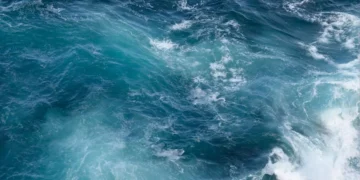
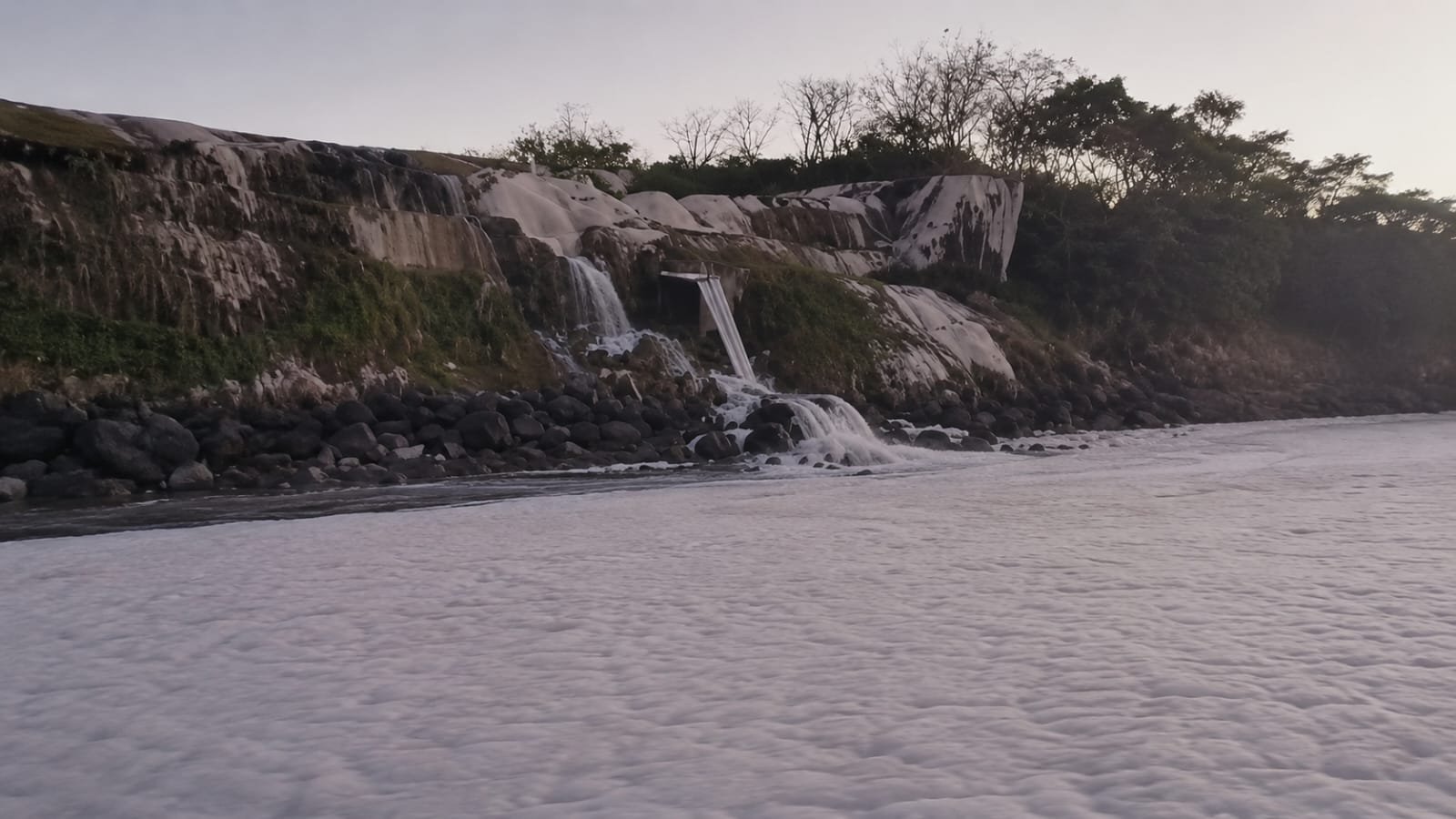
The 29-second clip, posted to Facebook by an account under the name Putra Sordayi, shows wastewater pouring from a shrimp farm’s outlet pipe at Sambik Elen Beach in Bayan district, North Lombok, spreading foam across a stretch of shoreline.
A Fisherman’s Plea Goes Viral
The footage is accompanied by a direct appeal from the man filming it, addressed to the local village head. “Please, head of Sambik Elen village, tell the shrimp farm to the east to stop letting the pipe spray like this. We’re fishermen, and it’s making it hard for us to find fish. Please,” he says in the video.
For anyone who has spent time on Lombok’s north coast, where small-scale fishing remains a primary source of income for coastal communities, the frustration in that appeal will feel familiar. Aquaculture has expanded rapidly across the region in recent years, and this is not the first time foam or discolored water discharge has drawn complaints from local fishermen watching their catch areas shrink.
Officials Say It Was a Maintenance Accident, Not a Leak
Muslim, head of the West Nusa Tenggara Marine and Fisheries Agency, confirmed his office had inspected the site and offered an explanation that distinguishes this incident from a straightforward pollution case. According to Muslim, the farm’s wastewater treatment installation, known locally as IPAL, has generally been operating properly. The foam appeared, he said, while workers were repairing a section of pipe as part of the process to obtain a Good Aquaculture Practices certification, an official quality and sustainability credential for fish and shrimp farms.
“In terms of wastewater management, the system has been operating well. It’s just that they’re in the process of obtaining Good Aquaculture Practices certification. To do that, a section of pipe needed to be repaired and straightened,” Muslim said Wednesday.
He characterized the incident as a workplace accident rather than deliberate or uncontrolled dumping, explaining that workers had opened a section of pipe, causing water to shoot out forcefully and strike rocks below, which produced the visible foaming effect captured on video.
“It wasn’t a leak. They likely opened that pipe section, so the water shot straight down and hit those rocks,” he explained.
Foam Disappeared Within Hours, But Testing Continues
Although the foam reportedly dissipated within a matter of hours, provincial authorities are not treating the incident as closed. Officials collected water samples from the affected area and sent them for laboratory analysis to determine whether the discharge contained harmful contaminants.
Muslim was direct about the consequences if testing reveals a genuine pollution problem. “We remain optimistic that all processes were carried out properly. Lab results are being processed today, and hopefully will be available within a few days,” he said, adding that firm sanctions, potentially including legal action, would follow if the results confirm hazardous pollution.
Central Government Inspectors Deployed, Permits Confirmed as Complete
A central government oversight team has also been dispatched to the site as part of the response. Preliminary findings indicate the shrimp farm’s permitting documentation is in order, according to Muslim, though he emphasized that proper paperwork does not exempt operators from environmental accountability.
“We hope shrimp farming businesses don’t sacrifice the marine ecosystem, which is also the water source for the farms themselves,” he said, a comment that underscores a somewhat ironic tension: shrimp aquaculture depends on clean coastal water to function, making pollution ultimately self-defeating for the industry as well as harmful to surrounding communities.
Beyond this single incident, Muslim announced a wider initiative targeting shrimp farms across West Nusa Tenggara that discharge wastewater into the sea. “Tomorrow, we will take proactive steps toward all shrimp farms in NTB that discharge their waste into the ocean. We’ll conduct guidance sessions as well as spot inspections,” he said.