

































A fisherman in Bangladesh nearly died after concealing an injury out of embarrassment, one that turned out to involve a live eel that had somehow made its way deep into his digestive tract, in a case now documented in a peer-reviewed medical journal as one of the rarest forms of intestinal trauma ever recorded.
A Painful Secret Kept for Too Long
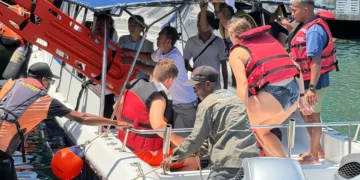
According to detikHealth, the incident began while the 55-year-old man was fishing. He later told doctors that an eel had accidentally slipped beneath his clothing and made its way into his rectum during the encounter.
Rather than seek immediate medical attention, the man chose to stay silent, embarrassed by what had happened, hoping the eel would simply work its way back out on its own.
It didn’t. Instead, his condition steadily worsened. He began showing signs of peritonitis, a serious and potentially life-threatening infection affecting the lining of the abdominal wall.
What the Scans Revealed
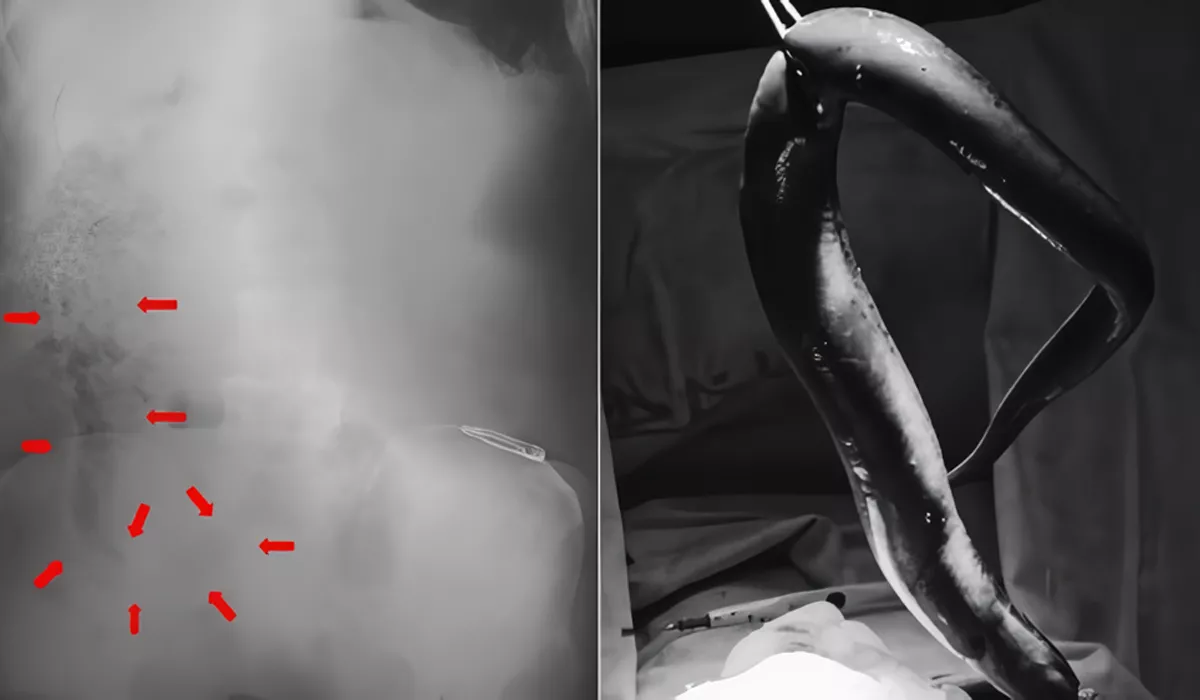
According to a case report published in the International Journal of Surgery Case Reports, imaging scans showed pneumoperitoneum, air trapped within the abdominal cavity, a clear indicator of a serious leak or rupture in the intestinal wall.
A joint team of doctors from Bangladesh and Nepal moved quickly into emergency surgery. What they found was startling: a 5-centimeter hole in the patient’s sigmoid colon, the lowest section of the large intestine.
Still Alive, and Still Moving
Doctors successfully removed the eel, measuring 65 centimeters in length, from inside the man’s abdomen. Remarkably, the eel was still alive and moving at the time of extraction.
“Penetration of the intestinal wall by a live animal, such as a fish, is an extremely unusual event and rarely documented,” the clinicians wrote in their case report.
A Successful, If Extraordinary, Recovery
Despite the severity of the injury, the fisherman survived thanks to rapid surgical intervention and a colostomy procedure. He was discharged from the hospital four days after surgery with no further complications.
“This case highlights the importance of considering unusual causes of abdominal pain, and rapid surgical intervention is critical to saving lives,” the medical team wrote in their report.
A Reminder With Broader Relevance
While undeniably an extreme case, the story underscores a medical principle worth remembering regardless of where you live or travel: delaying treatment for embarrassing or unusual injuries, out of shame or the hope a problem will resolve itself, can transform a manageable medical issue into a life-threatening emergency. For anyone spending time around rivers, lakes, or open water while fishing or swimming, whether in Bangladesh or elsewhere, the case is an unusual but genuine reminder that any injury involving sudden, severe abdominal pain warrants immediate medical evaluation rather than a wait-and-see approach.