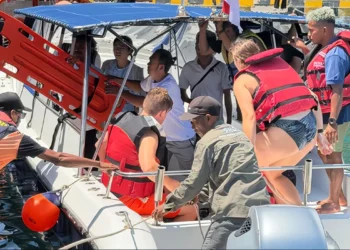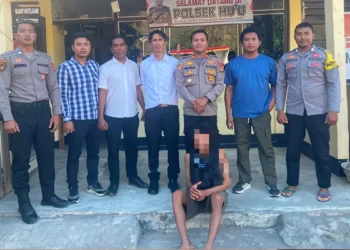


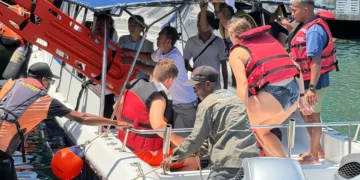
























The captain never attended training.
According to findings presented in court, he obtained his maritime certification by paying for it rather than completing the required education. The vessel’s engine officer admitted obtaining his credentials without formal training as well.
Months later, four tourists from Spain would die after boarding their boat.
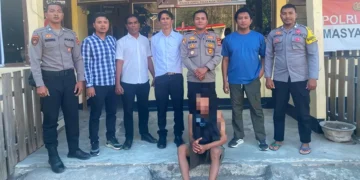
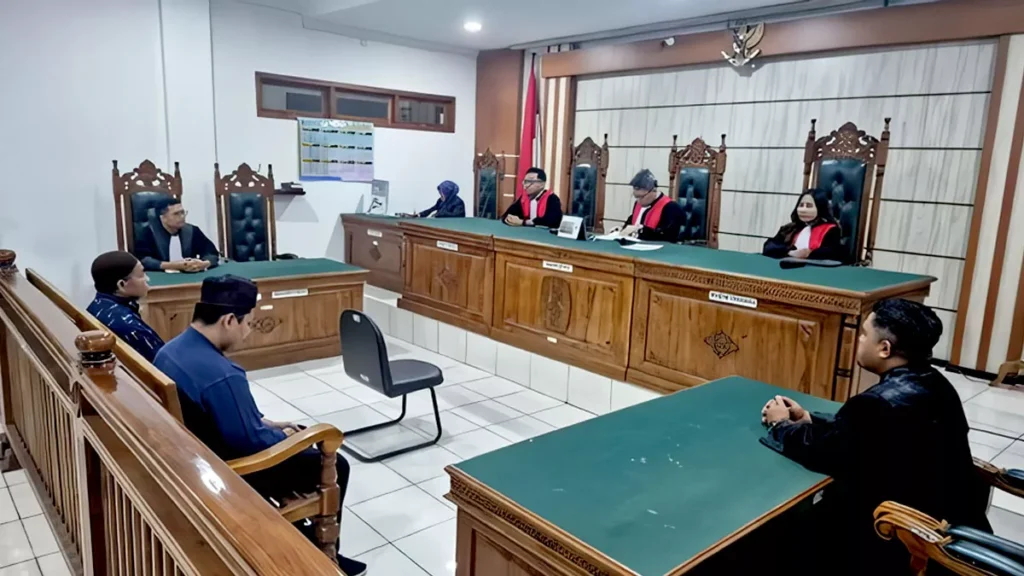
On Monday, May 25, 2026, judges at Labuan Bajo District Court sentenced Lukman, captain of the KM Putri Sakinah, to three years and six months in prison after finding him guilty of negligence resulting in death. Muhamad Alif Latifa N. Djudje, who served as chief engine officer, received two years and six months.
The sinking itself unfolded within minutes.
According to the court, however, the failures that led to it began long before the vessel entered dangerous waters.
A Holiday Through Komodo

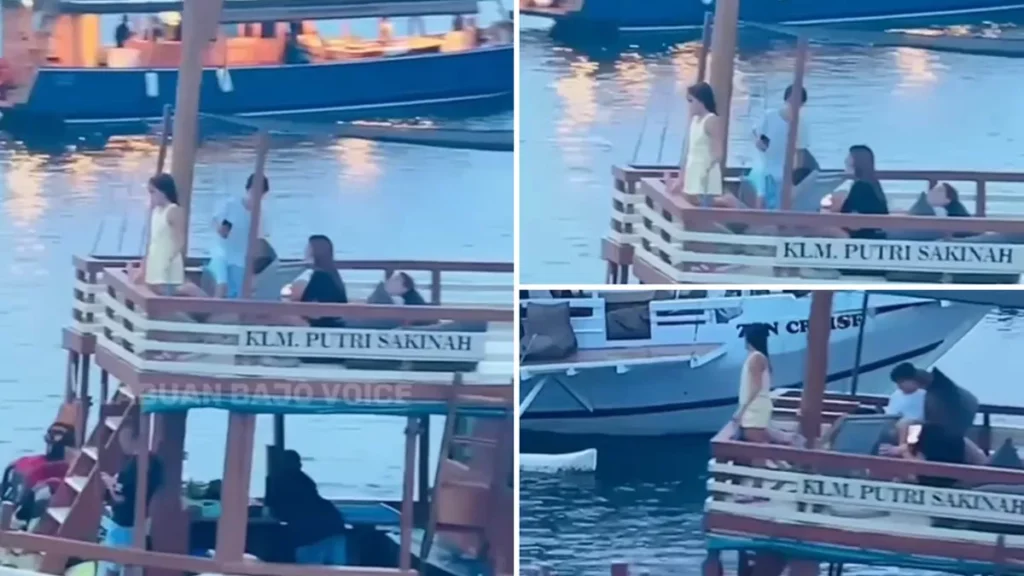
The KM Putri Sakinah had been chartered for what was supposed to be an ordinary three day, two night journey through one of Indonesia’s most visited tourism destinations.
The itinerary was familiar.
Labuan Bajo.
Manjarite.
Kalong Island.
Padar Island.
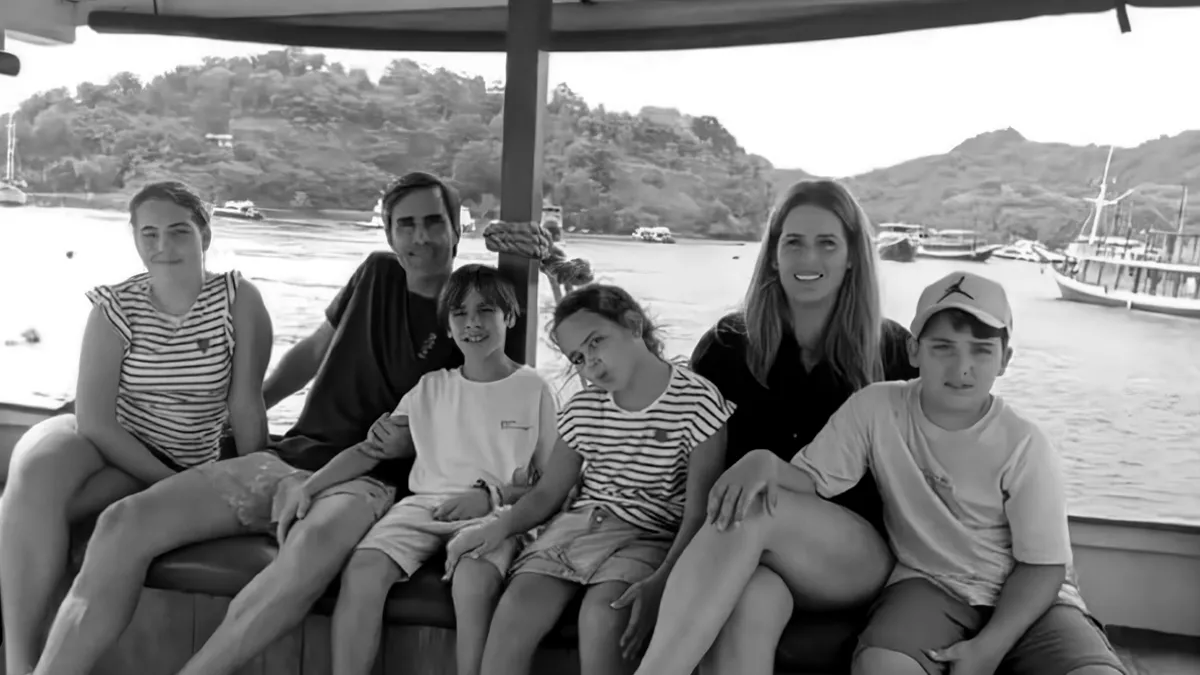
On board were eleven people: four crew members, six Spanish tourists, and one tour guide.
Among the passengers was Martin Carreras Fernando, a coach for Valencia CF’s women’s team, traveling with members of his family.
The voyage never reached its final destination.
Warnings Before Departure
Evidence presented during trial showed maritime authorities had already warned vessels operating in the area.
Indonesia’s maritime meteorological agency issued warnings covering the period between December 22 and December 28, cautioning operators about potentially dangerous conditions. Port authorities in Labuan Bajo subsequently distributed notices advising vessels to avoid waters considered hazardous.
One of those areas was Padar Strait.
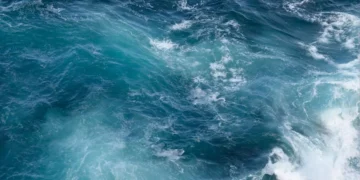
The waterway is known for strong currents, large waves, and unpredictable conditions.
On December 26, as the KM Putri Sakinah sailed from Kalong Island toward Padar Island, the vessel entered those waters.
The court heard that strong winds and large waves struck the wooden boat, causing it to tilt as water entered the hull.
Between approximately 8:20 PM and 8:30 PM, the vessel sank.
Four members of the Spanish family died or disappeared.
The Defense: Extreme Weather
Defense lawyers argued the tragedy was primarily caused by force majeure.
Extreme weather.
Large waves.
An unavoidable disaster.
The judges accepted that weather played an important role.
But they ultimately concluded weather alone could not explain why the situation became fatal.
According to the ruling, Lukman admitted obtaining his maritime certification without completing training. The engine officer similarly acknowledged receiving credentials without participating in formal education or competency programs.
The court concluded that the defendants’ inability to respond effectively during deteriorating conditions formed part of the negligence itself.
“The errors committed by the defendants occurred long before the sinking,” the judges said.

Beyond Weather
The ruling identified additional failures.
Passengers reportedly did not receive adequate safety briefings before departure.
Judges concluded that modifications to cabin structures had affected vessel balance without proper reporting.
The court also considered whether victims may have struggled to escape because cabin doors became difficult to open as the vessel tilted and flooded.
Taken individually, none of those failures fully explains what happened.
Together, the judges concluded, they created conditions in which severe weather became a catastrophe.
The criticism extended beyond the two defendants themselves.
The judges argued that captains operating with purchased certifications had not only violated technical rules but had also undermined public trust in the maritime industry and the institutions responsible for certifying them.
It was one of the strongest conclusions delivered during sentencing.
Because the ruling was not simply about weather.
It was about competence.
And about how systems determine who is trusted with responsibility.
What This Means For Travelers
Every year, thousands of tourists board boats in Labuan Bajo.
Most journeys end safely.
But travelers rarely see the systems operating underneath tourism.
They see islands.
They see sunsets.
They see Komodo dragons.
What they do not see are certification records, training histories, safety procedures, or decisions made before departure.
The Spanish family who boarded the KM Putri Sakinah believed they were beginning an ordinary holiday.
The court concluded that some of the failures contributing to their deaths had begun much earlier.
The more difficult question now may not be what happened on a single vessel.
It may be whether the conditions that allowed it were isolated at all.