
































A rare strain of Ebola is spreading in parts of central Africa.
Bali remains thousands of kilometers away.
But around the world, governments are already tightening borders.
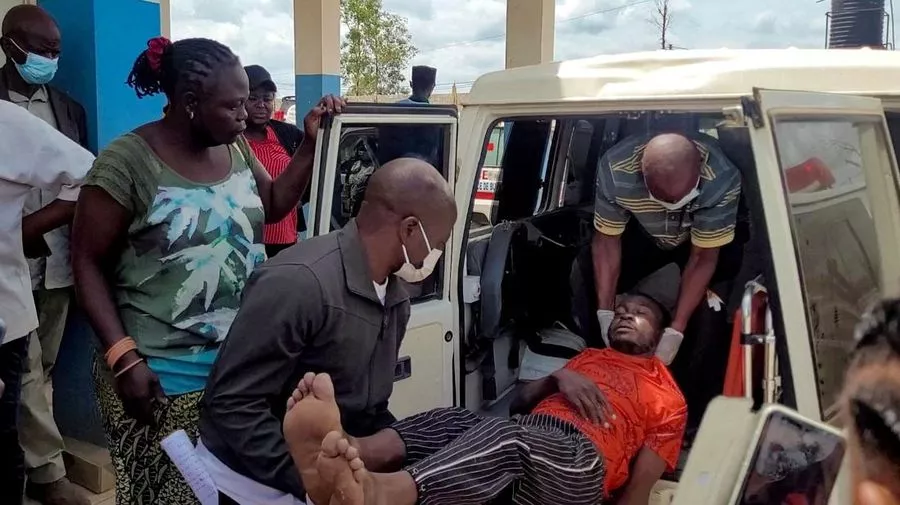
According to the World Health Organization (WHO), health authorities have recorded around 900 suspected cases and 220 suspected deaths linked to the Bundibugyo strain of Ebola in the Democratic Republic of Congo (DRC) since authorities declared an outbreak earlier this month.
In neighboring Uganda, five cases and one death have been confirmed.
The WHO recently raised its risk assessment inside the DRC from “high” to “very high.”
Globally, however, the organization continues to classify risk as low.
Even so, multiple countries are already changing travel rules.
What Is Happening In Central Africa?
The outbreak remains concentrated in eastern parts of the DRC and neighboring Uganda.
Authorities in the DRC have suspended flights to and from Bunia, one of the country’s affected health zones, while allowing certain humanitarian and emergency flights to continue.
Uganda has implemented its own restrictions.
Direct flights between Uganda and the DRC have been suspended, border crossings have been restricted, and some weekly markets near border areas have temporarily closed.
These measures are designed to slow movement in areas closest to the outbreak.
Countries Tightening Borders
Outside Africa, governments are increasingly taking precautions.
Canada, the Bahamas, the United States, Jordan, and Bahrain have introduced temporary travel restrictions affecting travelers arriving from countries linked to the outbreak.
Others are strengthening screening instead.
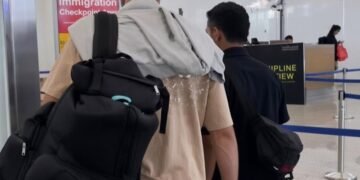
India has increased airport screening while advising citizens to avoid non essential travel to affected areas.
Thailand announced that travelers arriving from the DRC and Uganda will only be allowed entry through Bangkok’s main international airport after additional health checks.
Mexico has also increased airport screening procedures.
Notably, none of these countries currently report domestic Ebola cases.
The restrictions are precautionary.
Why Bali Travelers Should Pay Attention
For residents, tourists, digital nomads, and expats living in Bali, immediate risk remains extremely low.
No Ebola cases have been reported in Indonesia or elsewhere in Southeast Asia.
But Bali depends heavily on international travel.
That means changes happening thousands of kilometers away can still affect movement patterns, airline routes, transit requirements, airport screening, and travel rules.
Many visitors arriving in Bali connect through international hubs across Asia, the Middle East, Europe, and beyond.
Travel disruptions rarely stay isolated.
Understanding The Risk
Ebola is not spread through casual contact.
It spreads primarily through direct contact with bodily fluids from infected individuals or contaminated materials.
The Bundibugyo strain is considered relatively rare compared with some previous Ebola outbreaks.
Health authorities remain concerned not because global spread is currently occurring, but because outbreaks can become harder to control when they happen in regions with limited healthcare access or ongoing humanitarian challenges.
That distinction matters.
High concern inside the outbreak zone does not automatically translate into high risk everywhere else.
What Travelers Should Do
For now, travelers planning holidays to Bali do not need to change plans because of Ebola.
But travelers planning trips to Africa, or connecting through countries introducing additional screening rules, should pay closer attention to entry requirements and transit regulations.
Travel restrictions can change quickly.
For Bali itself, this outbreak is not currently a health story.
It is a travel story.
And in a tourism dependent destination, travel stories matter.