

































Authorities Urge Residents and Tourists to Stay Alert
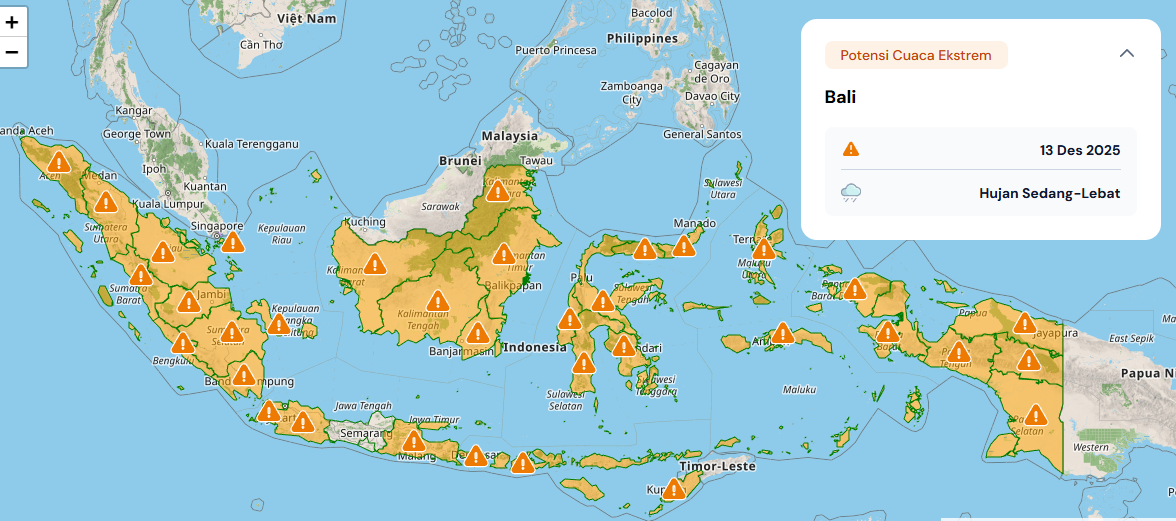
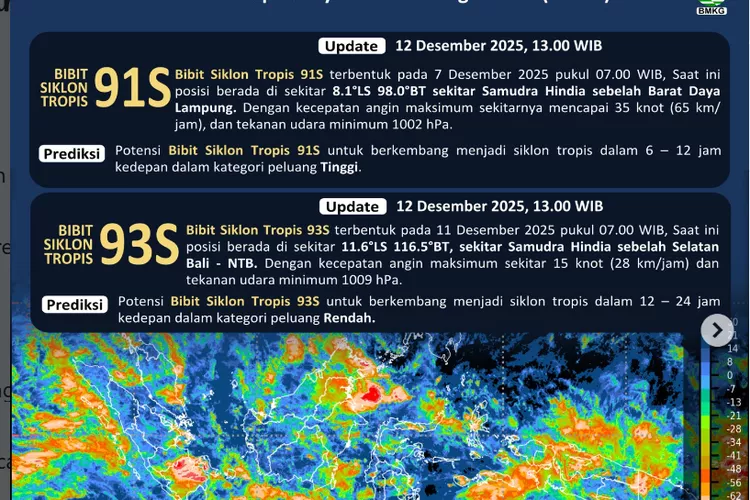
Indonesia’s meteorological agency has issued an urgent warning for Bali extreme weather expected between December 11 and 18, as a developing tropical disturbance near southern Indonesia intensifies atmospheric instability across the island. The alert follows the emergence of Tropical Cyclone Seed 93S, currently monitored over the southern Indian Ocean.
“We advise the public to remain alert and take precautionary steps to ensure daily activities can continue safely,” said Cahyo Nugroho, Head of BBMKG Region III Denpasar, on Thursday. His statement was adapted from reporting by Kompas.
The warning is the latest in a series of climate-related advisories that have become more frequent in recent years as Bali’s weather patterns grow increasingly unpredictable. Authorities say the current system could produce prolonged rainfall, strong winds, flooding, landslides, and hazardous sea conditions.
Atmospheric Conditions Fueling the Bali Extreme Weather
According to BBMKG, the developing system south of Nusa Tenggara Barat (NTB) is generating a strong convergence of air masses and shifts in wind direction over Bali. These conditions are being intensified by several additional atmospheric factors, including:
- Active equatorial Rossby waves
- Low-frequency atmospheric disturbances
- Weak wind shear
- Moderate vorticity in the lower to mid-level atmosphere
Together, these drivers increase moisture accumulation, strengthening the growth of rain clouds across the island. As a result, Bali is likely to face continuous episodes of heavy downpours, localized storms, and elevated coastal waves throughout the week.
Cahyo noted that the Bali extreme weather pattern could escalate quickly, prompting authorities to maintain high alert status.
Areas at Greatest Risk of Floods and Landslides
BBMKG Region III mapped out several districts with elevated risk levels for flooding, flash floods, and landslides. These include:
- Badung
- Denpasar
- Tabanan
- Jembrana
- Bangli
- Gianyar
- Karangasem
- Klungkung
- Buleleng
These regions vary in vulnerability, with mountainous and river-adjacent zones facing the highest threat. Local authorities have been instructed to activate early warning systems, monitor river levels, and prepare evacuation routes in anticipation of worsening Bali extreme weather conditions.
Marine Hazards: High Waves Expected Across Key Waters
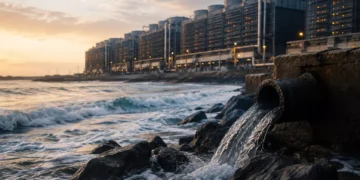
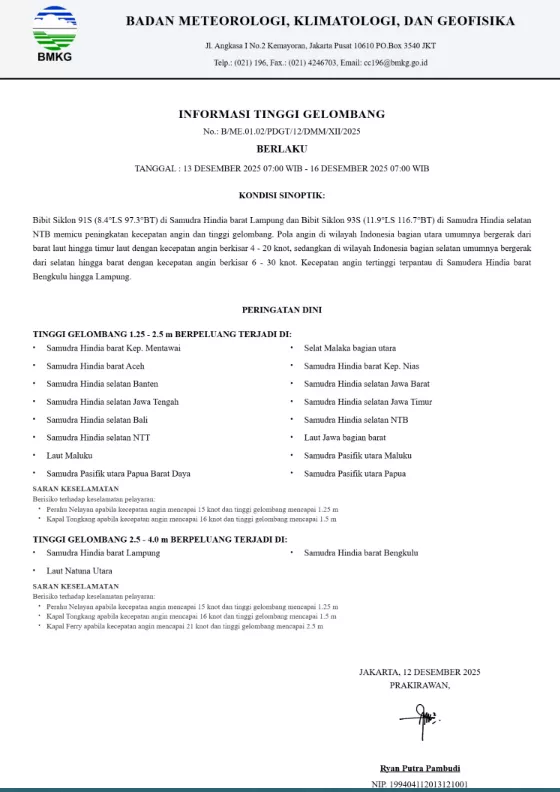
Cahyo also warned of significant hazards at sea. During the peak of the Bali extreme weather cycle, waves are forecast to reach 1.25 to 2.5 meters in several important maritime areas, including:
- Southern Bali Strait
- Badung Strait
- Southern Lombok Strait
- Southern waters of Bali
The advisory particularly affects fishermen, ferry operators, and maritime tourism businesses. Snorkeling boats, scuba operators, and inter-island transport have been urged to monitor official updates frequently and adjust operations as needed.
BBMKG encouraged the public and industry stakeholders to rely on official information sources such as the InfoBMKG mobile app and bmkg.go.id.
Why This Bali Extreme Weather Warning Matters
December marks the early peak of Bali’s monsoon season, a period when the island typically receives its heaviest rainfall. However, experts say the intensity and frequency of disruptions have increased as global weather patterns shift.
In recent years, Bali has seen repeated incidents of flash floods, widespread traffic paralysis, landslides in highland regions, and disruptions to tourism infrastructure. With millions of visitors arriving during Christmas and New Year holidays, officials are taking no chances.
BBMKG’s advisory aims not only to protect residents but also to prepare Bali’s large tourist population, many of whom are unfamiliar with tropical storm risks.
Safety Guidance for Tourists During Bali Extreme Weather
Bali remains safe to visit, but Bali extreme weather requires extra caution for international travelers, digital nomads, and holidaymakers. Authorities recommend the following steps to stay safe:
1. Check Weather Updates Daily
Use official sources such as InfoBMKG, your hotel, or local news platforms. Weather conditions can change rapidly.
2. Avoid Rivers, Waterfalls, and Gorges
These areas are among the first to flood. Even light rain upstream can trigger sudden surges.
3. Rethink Motorbike Travel
Wet roads, strong winds, and reduced visibility greatly increase accident risk. Opt for a car—especially during heavy rain warnings.
4. Stay Clear of the Ocean During High Waves
Avoid swimming, snorkeling, or surfing when advisories are active. Strong currents can appear without warning.
5. Expect Transportation Delays
Flights, ferries, and road routes may experience temporary disruptions. Plan buffer time for transfers or tours.
6. Secure Your Accommodation Area
Choose stays on higher ground, particularly away from rivers or cliffs. Ask your host about emergency exits and flood routes.
7. Follow Instructions from Local Authorities
If officials or your hotel advise staying indoors or avoiding certain areas, take it seriously.
What Residents Should Do During Bali Extreme Weather
Local communities have also been urged to increase readiness:
- Clean and clear drainage channels
- Prepare emergency kits
- Avoid traveling during peak rainfall
- Report clogged waterways or landslide cracks
- Stay connected to neighborhood alert groups
Cahyo emphasized that proper preparation can significantly reduce the impact of Bali extreme weather on daily life.
With the emergence of Tropical Cyclone Seed 93S and multiple reinforcing atmospheric factors, Bali faces heightened risks of flooding, landslides, and hazardous seas from December 11–18. BMKG’s warning underscores the island’s growing vulnerability to climatic disturbances. Both residents and visitors should remain vigilant, stay informed, and take practical precautions as Bali extreme weather unfolds.