













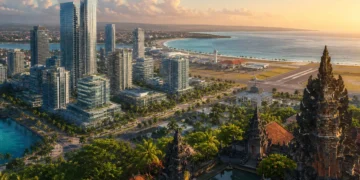




















BALI, Indonesia — Every few months, a familiar headline makes its way across travel blogs, Reddit threads, YouTube channels, and expat WhatsApp groups.
“Bali is overrated.”
The accusation is usually accompanied by the same evidence: traffic-choked roads in Canggu, luxury prices in Seminyak, crowded temples in Ubud, and endless queues for Instagram photos in Tegalalang.
This year, Yahoo Finance joined the conversation, citing global travel sentiment and listing several Indonesian destinations that some international visitors increasingly describe as “overrated.”
The label is provocative. It is also worth examining carefully.
Because the question is not whether these destinations have changed.
They clearly have.
The more important question is whether they have become worse—or simply victims of their own success.
The Canggu Paradox

Few places illustrate the dilemma better than Canggu.
A decade ago, Canggu was still a sleepy stretch of coastline framed by rice fields and surf breaks. Travelers came for quiet mornings, inexpensive villas, and the feeling that they had discovered something before the rest of the world.
Today, that version of Canggu exists mostly in memory.
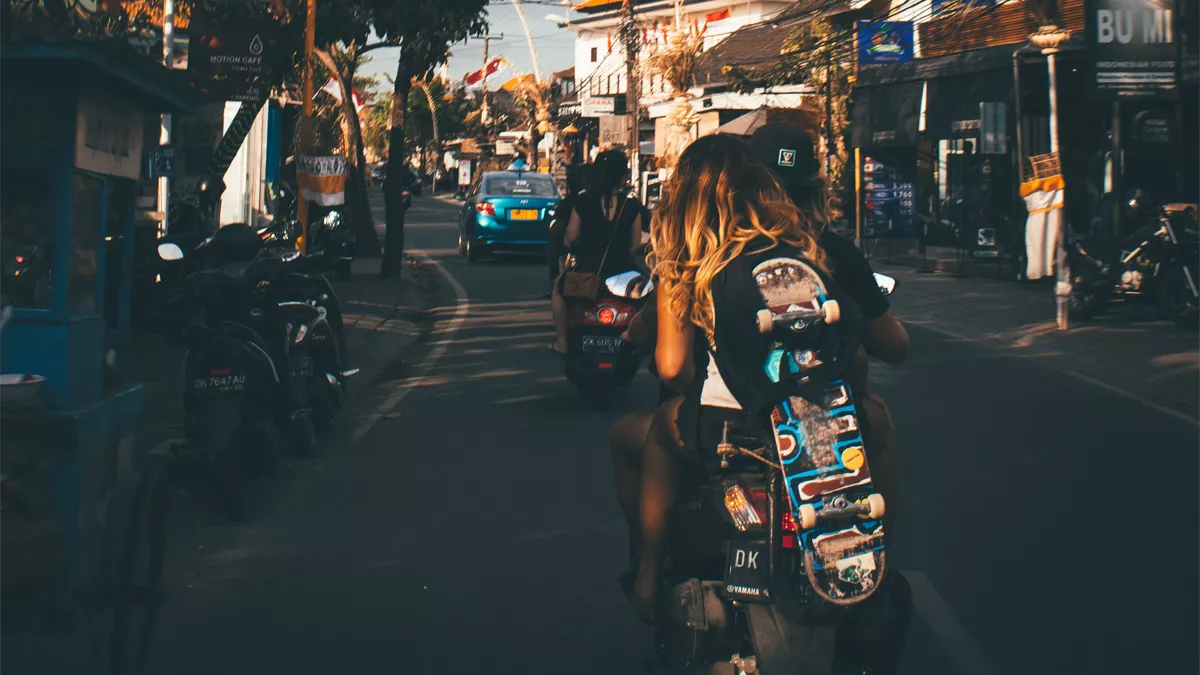
The rice fields remain, but many are now bordered by cafés, co-working spaces, beach clubs, boutique gyms, and luxury villas. Traffic congestion has become a daily frustration. The area’s nightlife increasingly rivals Kuta, a comparison that many longtime residents once considered unthinkable.
Yet despite constant complaints, demand continues to grow.
The irony is difficult to ignore.
Many of the people who complain that Canggu has become too crowded are, themselves, part of the crowd.
Canggu’s problem is not a lack of appeal.
Its problem is that too many people agree that it is appealing.
Seminyak and the Cost of Success
For years, Seminyak represented Bali’s aspirational side.
Luxury villas, sophisticated restaurants, designer boutiques, and beach clubs transformed what was once a relatively quiet coastal area into one of Southeast Asia’s most recognizable lifestyle destinations.
Success brought investment.
Investment brought higher prices.
Today, accommodation rates, restaurant bills, and property values have reached levels that increasingly push travelers toward neighboring districts.
For some visitors, Seminyak now feels overpriced.
But the reality is more complicated.
Luxury destinations around the world—from Santorini to Ibiza to Mykonos—have followed similar trajectories. As demand rises, exclusivity becomes part of the product.
The challenge for Seminyak is not that it has become expensive.
The challenge is that many travelers still expect 2015 prices in a 2026 market.
Ubud’s Authenticity Problem

No destination generates stronger emotions than Ubud.
For decades, Ubud represented the spiritual and cultural heart of Bali. Artists, writers, yogis, and seekers traveled there in search of something deeper than beaches and cocktails.
Much of that culture still exists.
Temple ceremonies continue.
Traditional dance performances still fill village halls.
Artists still work in family compounds across the region.
But Ubud now faces a dilemma shared by many famous cultural destinations around the world: authenticity has become a commodity.
The demand for “authentic experiences” has become so intense that authenticity itself is now packaged, marketed, and sold.
Visitors who arrive expecting the untouched Ubud of thirty years ago often leave disappointed.
The problem is not that culture has disappeared.
The problem is that millions of people now arrive seeking the exact same experience simultaneously.
Tegalalang and the Instagram Effect
If one destination symbolizes the power of social media to transform a landscape, it is Tegalalang.
Its terraced rice fields remain among the most beautiful agricultural landscapes in Asia. The ancient subak irrigation system that sustains them continues to function much as it has for centuries.
What changed was visibility.
The rise of Instagram transformed Tegalalang from a scenic stop into a global attraction. Giant swings appeared. Viewing platforms multiplied. Content creators arrived in waves.
The rice terraces themselves did not become less beautiful.
What changed was the experience of sharing them with thousands of others.
Visitors seeking solitude often discover something different: a destination whose fame has become inseparable from its appeal.
Even Jakarta Faces the Same Question
The phenomenon is not limited to Bali.
Jakarta, Indonesia’s sprawling capital, appears on similar lists for different reasons.
Visitors often arrive expecting a city defined by culture and history, only to encounter traffic congestion, pollution, and urban sprawl on a scale that can feel overwhelming.
Yet those same visitors frequently overlook what makes Jakarta remarkable: its extraordinary diversity, its layered colonial history, and its role as the economic and political heart of Southeast Asia’s largest nation.
The city is not easy.
But neither was it ever meant to be.
The Real Problem Might Be Expectations
Calling a destination “overrated” often says as much about travelers as it does about the destination itself.
Many visitors arrive in Bali expecting the island they saw on Instagram, in travel documentaries, or in memories from ten years ago.
What they encounter is a living place with real residents, real economic pressures, and real consequences of global popularity.
Tourism changes places.
That is true everywhere.
The same forces reshaping Bali have transformed Barcelona, Venice, Amsterdam, Dubrovnik, Phuket, and Santorini.
Popularity creates prosperity.
Prosperity creates development.
Development changes character.
And then travelers begin searching for the next undiscovered paradise.
So, Is Bali Losing Its Magic?
The answer depends on what travelers are looking for.
If the goal is complete solitude in Canggu, bargain luxury in Seminyak, or empty viewpoints in Tegalalang, disappointment is likely.
But if visitors understand these places for what they are—world-famous destinations navigating the challenges of extraordinary success—the picture becomes more nuanced.
The magic has not disappeared.
It has simply become harder to find.
Often, it exists just beyond the places everyone else is photographing.
The rice fields still glow green after the rain.
Temple bells still echo through village streets.
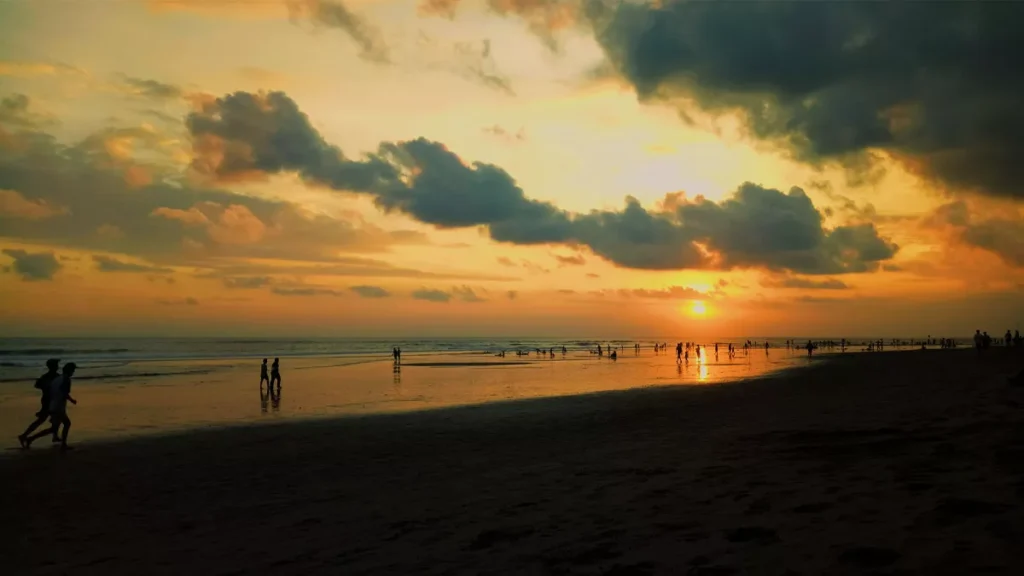
Sunsets still turn the Indian Ocean gold.
The challenge is no longer finding Bali.
The challenge is looking beyond the version of Bali that everyone else is looking at.
And perhaps that is the most authentic travel experience of all.