






























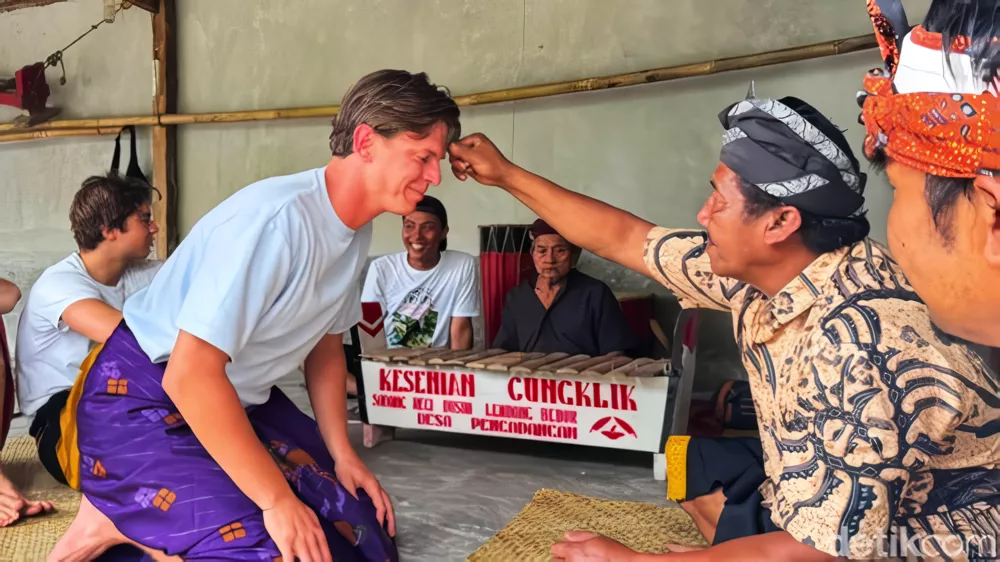
Anyone planning to summit Mount Rinjani via its southern route may soon face a new prerequisite that has nothing to do with permits or gear: a traditional Sasak ritual seeking blessing from village elders before setting foot on the trail.
Amrul Arahap, Chairman of South Rinjani Youth (Pemuda Rinjani Selatan), said the requirement, currently under discussion at the village level in East Lombok, West Nusa Tenggara (NTB), is targeted for implementation as early as next year.
A Ritual Rooted in Generations of Tradition
“This ritual has actually been practiced by our elders for a long time. Its purpose is to seek blessing from traditional elders. So we’re trying to reintroduce it for prospective climbers, we’re currently working out the technical details as part of a village customary regulation (awik-awik),” Amrul said on Sunday, July 26, 2026.
According to Amrul, Sembeq Buraq is a Sasak tradition that functions as a moral pledge for every climber, a commitment to respect nature and honor customary law before attempting the ascent. During the ritual, climbers are briefed on specific prohibitions and taboos they must observe throughout their trek.
A Push to Keep Tourists in Local Villages
Beyond the ritual requirement, prospective climbers, particularly those from outside Lombok and international tourists, will be directed to stay in local homestays run by village residents rather than standard tourist accommodations. The goal is to encourage visitors to explore attractions in the villages supporting Mount Rinjani’s southern trail both before and after their climb.
“Of course, the homes that will host climbers will first go through a preparation process. Prospective climbers will then be able to enjoy tourist attractions in the supporting villages, either before or after climbing Mount Rinjani,” Amrul explained.
Building a Framework for Sustainable Trekking
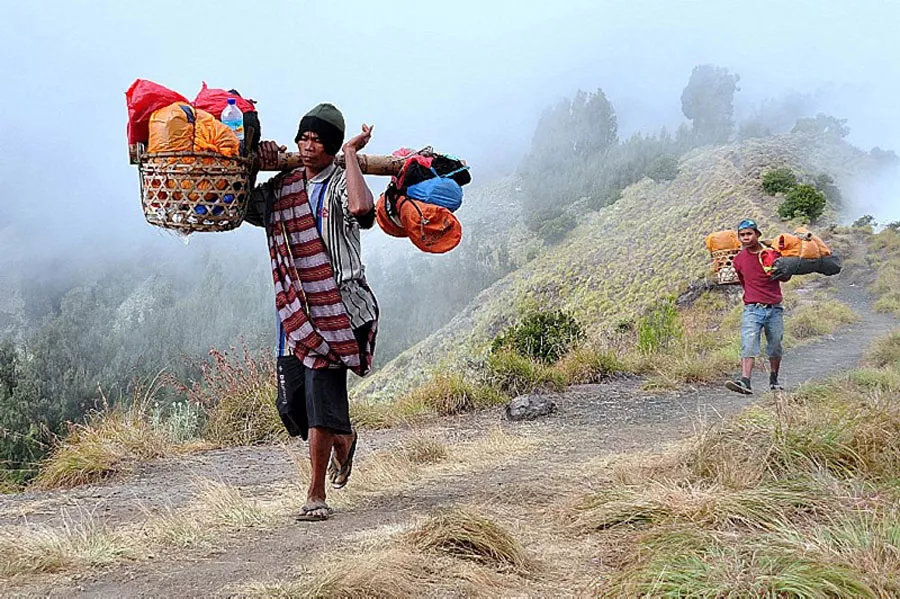
Amrul said South Rinjani Youth is working alongside villages supporting the southern climbing route to draft shared customary regulations that will serve as a common guideline for the initiative. “We’re developing a shared awik-awik with the villages supporting Rinjani’s southern route, so that a trekking concept based on environmental conservation, local culture, and community empowerment has a solid foundation and can be sustainably implemented,” he said.
According to Amrul, the initiative combining trekking with local culture has received positive support from the Mount Rinjani National Park Authority (TNGR). He’s targeting completion of the customary regulations by the end of this year, with implementation beginning next year.
“We’ve held several consultations, and we’ve received full support from TNGR,” he said. “We’re targeting implementation for next year.”
Why This Matters for International Trekkers
For the growing number of international travelers who add a Mount Rinjani trek to their Bali itinerary, often as a multi-day extension via neighboring Lombok, this represents a meaningful shift in how the climb is experienced, from a purely physical challenge toward one embedded in Sasak cultural tradition and community-based tourism.
The homestay requirement in particular signals a deliberate move away from the kind of transactional, guide-and-go trekking model common at many mountain destinations, toward one that channels tourism revenue more directly into the villages surrounding the mountain. For travelers, this likely means factoring additional time into a Rinjani itinerary, both for the ritual itself and for exploring the supporting villages, rather than treating the climb as a standalone activity squeezed between other Lombok or Bali plans.
Given that the framework remains under development, trekkers planning a Rinjani climb in the coming year should expect updated requirements to be finalized and communicated as the initiative moves toward its targeted rollout.