





























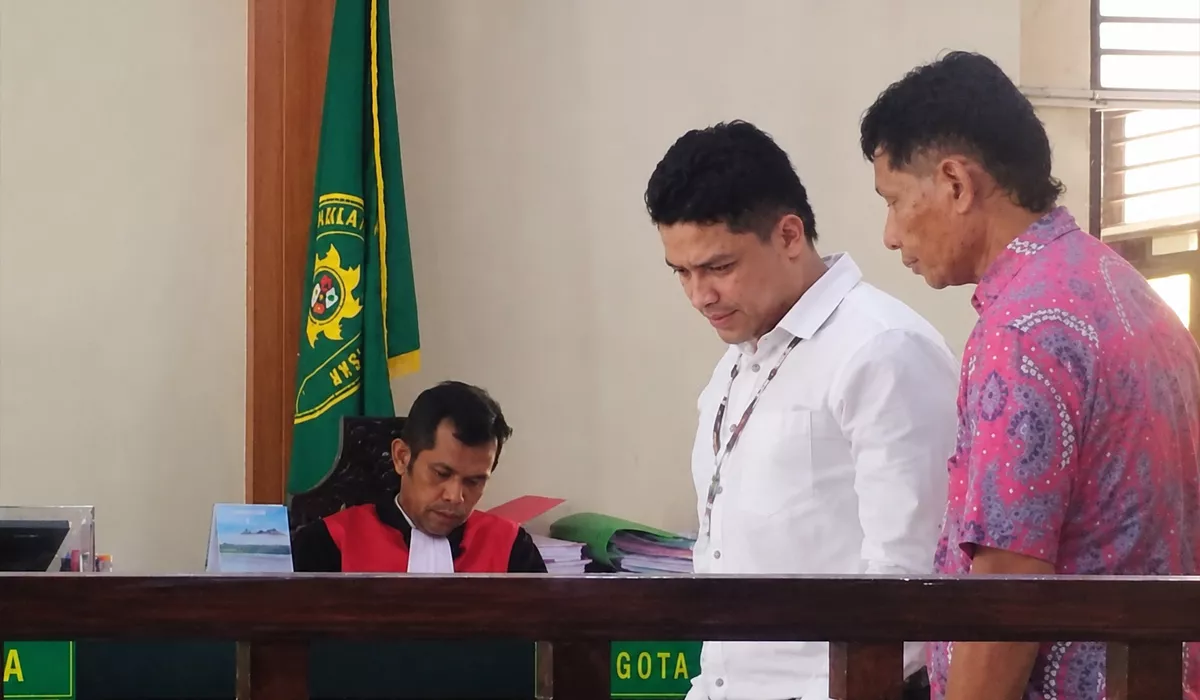
DENPASAR, Bali — A Colombian man who flew halfway around the world carrying more than three kilograms of cocaine hidden inside his luggage has been sentenced to 11 years in an Indonesian prison, in a case that offers another stark reminder of the country’s uncompromising stance on drug trafficking and the risks facing anyone persuaded to act as an international courier.
The Denpasar District Court on Thursday convicted Sebastian Arboleda Montoya, 30, after finding him guilty of possessing 3.47 kilograms of cocaine that customs officers intercepted at Bali’s I Gusti Ngurah Rai International Airport earlier this year.
Although prosecutors had sought a 16-year prison sentence, the three-judge panel imposed 11 years in prison along with a Rp1 billion (approximately US$60,000) fine. If the fine is not paid within one month, Indonesian authorities may seize and auction the defendant’s assets. Should that prove impossible, the unpaid fine will be converted into an additional 190 days in prison.
The judges ruled that Montoya had illegally possessed a Category I narcotic exceeding five grams, one of Indonesia’s most serious narcotics offenses under the country’s revised Criminal Code.
A €5,000 Offer That Ended in Bali
Court proceedings revealed that Montoya left Medellín, Colombia, on February 6, 2026, carrying a black Samsonite suitcase after accepting an offer to transport luggage overseas in exchange for €5,000.
According to evidence presented in court, his flights and hotel accommodation were arranged by a person identified only by the initials REA, with whom he communicated through WhatsApp and Signal throughout the journey.
Montoya traveled on Qatar Airways, transiting through Hamad International Airport in Doha before landing in Bali aboard Flight QR960 on the night of February 10.
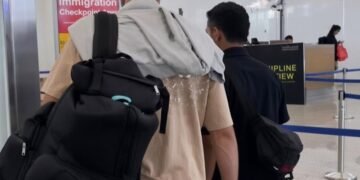
Just hours after arriving, customs officers at the international arrivals terminal selected his luggage for further inspection after noticing suspicious indicators during screening.
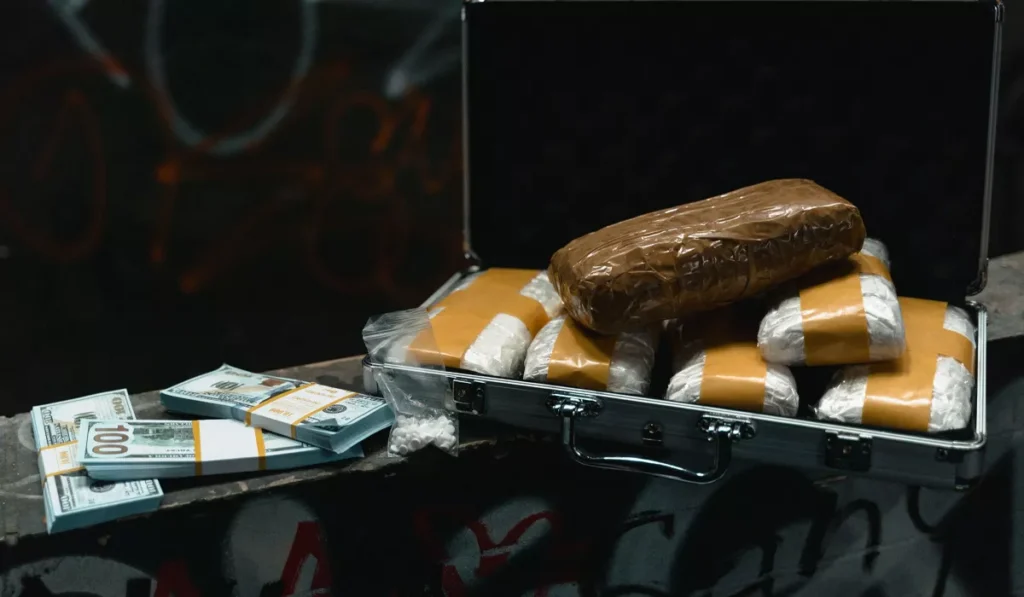
Inside the suitcase, officers discovered three black plastic packages containing cocaine weighing 3,471.74 grams gross or 2,223.87 grams net, packaged as three separate bundles labeled A, B, and C.
“I Suspected It Was Something Illegal”
During questioning, Montoya admitted the suitcase belonged to REA and said he had been instructed to deliver it to an unidentified recipient somewhere in Bali.
He told investigators he had not been explicitly informed the luggage contained cocaine when he accepted the job. However, he acknowledged that the unusually generous payment made him suspect he was transporting narcotics or another prohibited item.
Court testimony showed Montoya had received €1,000 upfront, while the remaining €4,000 was to be paid only after the suitcase had been successfully delivered in Bali.
He also testified that this was the first time he had worked for REA, the first time he had transported illegal drugs, and, remarkably, his first trip outside Colombia.
Why the Sentence Was Reduced
In explaining the lower-than-requested sentence, the judges cited several mitigating circumstances.
Montoya admitted his actions during trial, expressed remorse, had no prior criminal convictions, and was reported to be living with bipolar disorder.
Against those considerations, the court said the offense directly undermined Indonesia’s continuing campaign against international narcotics trafficking, an aggravating factor that prevented a more lenient sentence.
Neither the defense nor prosecutors immediately accepted the ruling, with both sides telling the court they would first consider whether to appeal.
Bali’s Airports Remain on the Front Line
For international travelers, the case highlights the intense scrutiny applied to passengers arriving in Bali from overseas.
Indonesia enforces some of the world’s toughest anti-drug laws, with lengthy prison terms, life imprisonment, and, for the most serious trafficking offenses, the death penalty remaining available under Indonesian law.
Airport customs officers routinely use X-ray screening, behavioral profiling, intelligence sharing, and physical baggage inspections to identify suspected drug couriers before they leave the arrivals hall.
Authorities have repeatedly warned that claims of carrying luggage “for a friend” or not knowing exactly what is inside a suitcase rarely provide a successful legal defense once prohibited drugs are discovered.
A Reminder for International Travelers
While Bali welcomes millions of international visitors every year, Indonesian authorities continue to treat drug trafficking as a national security priority rather than a routine criminal offense.
The Montoya case serves as another reminder that accepting money to transport luggage across international borders, particularly for someone you do not know personally, can carry life-changing consequences. For travelers heading to Indonesia, customs officials have a simple message: if you didn’t pack it yourself, don’t carry it.