

































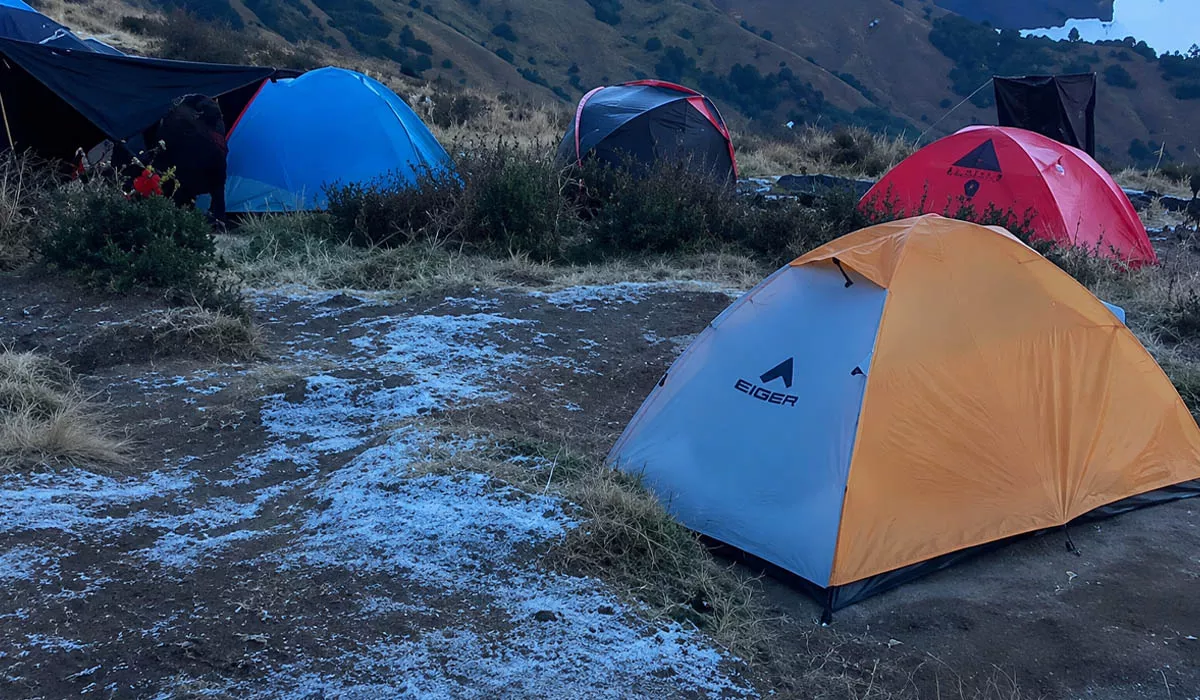
Ice has once again coated the camping grounds at Plawangan Sembalun on Mount Rinjani in East Lombok, West Nusa Tenggara (NTB), a seasonal phenomenon that park officials say is entirely normal, but one that still carries real risk for trekkers who show up unprepared.
Footage of the frost was shared via the official account of Mount Rinjani National Park (TNGR), showing ice clinging to climbers’ tents and dry grass across the camping area.
“This Happens Every Year”
Astekita Ardiaristo, Head of TNGR’s Administrative Sub-Division, said the frost is a recurring seasonal event tied to extreme weather conditions at altitude. “This happens every year because the temperature up there gets extremely cold,” Astekita said on Monday, July 27, 2026.
According to Astekita, the phenomenon typically occurs during the dry season, when low humidity allows surface heat to radiate away rapidly overnight, causing temperatures to plummet after dark.
No Restrictions on Climbing, But a Clear Warning
Despite the icy conditions, TNGR has not imposed any restrictions on climbing activity at Mount Rinjani. Astekita instead emphasized the importance of proper preparation before attempting the ascent. “For now, there are no climbing restrictions in place. We’re simply urging climbers to prepare themselves thoroughly before heading up,” he said.
Extreme cold temperatures along the trekking route can significantly increase the risk of hypothermia for climbers who arrive without adequate gear. Astekita said trekkers should ensure they carry equipment and supplies suited to cold-weather conditions, along with sufficient food intake to help the body maintain energy and ward off hypothermia.
“Things like warm jackets, gloves, and a properly rated sleeping bag, as well as a tent and gear capable of handling low temperatures, and don’t forget enough warm food and drinks to keep your body’s energy up so you don’t end up with hypothermia,” Astekita said.
Why This Matters for Anyone Planning a Rinjani Trek
For international trekkers who often add Mount Rinjani to a Bali itinerary as a multi-day extension via Lombok, this seasonal frost is a useful reminder that Indonesia’s tropical reputation doesn’t extend to its higher-altitude trails after dark. Nighttime temperatures at Plawangan Sembalun can drop dramatically enough to produce visible frost, conditions that catch many first-time trekkers off guard if they’ve packed primarily for Indonesia’s lowland heat and humidity.
Anyone planning to summit Rinjani during the dry season should treat cold-weather gear, a genuinely insulated sleeping bag, a warm jacket, gloves, and a headlamp among the essentials, as non-negotiable rather than optional extras, and should plan for hot food and drinks at camp to help maintain body temperature through the night before the final summit push.