

































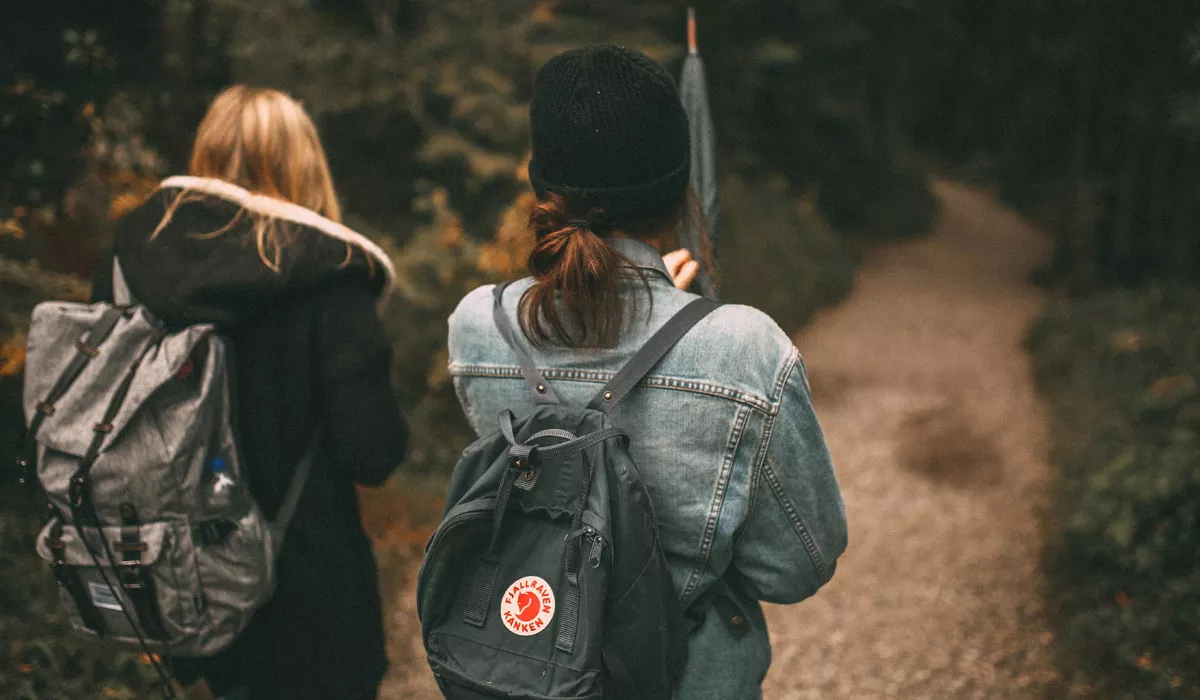
If you’ve spent any time walking Bali’s rice terraces, beach paths, or Campuhan Ridge, you already know the island runs on walking as exercise. Now, a growing number of fitness creators are suggesting one small addition that could make those same walks noticeably more effective: a weighted backpack.
It’s called rucking, and it’s quietly become one of the most talked-about fitness trends on TikTok and Instagram, not because it reinvents walking, but because it doesn’t require reinventing anything at all.
Why a Simple Backpack Is Changing How People Think About Walking
Walking remains one of the most popular forms of exercise worldwide because it’s accessible, free, and requires no special equipment. It’s linked to a long list of health benefits: better heart health, improved sleep, and a genuine mood boost.
Rucking, walking while carrying a weighted backpack, builds directly on that foundation. According to HuffPost, cited Monday, July 20, 2026, the trend offers all the same benefits as regular walking, plus something extra. Fitness experts describe it as an accessible way for almost anyone to build strength and endurance without switching to high-intensity training or spending hours in a gym.
“Physically, it’s like walking, but sometimes we want to increase the benefits, and the easiest way to do that is by adding weight,” said Nichele Cihlar, director of training at GORUCK, a UK-based rucking gear company.
A Two-in-One Workout
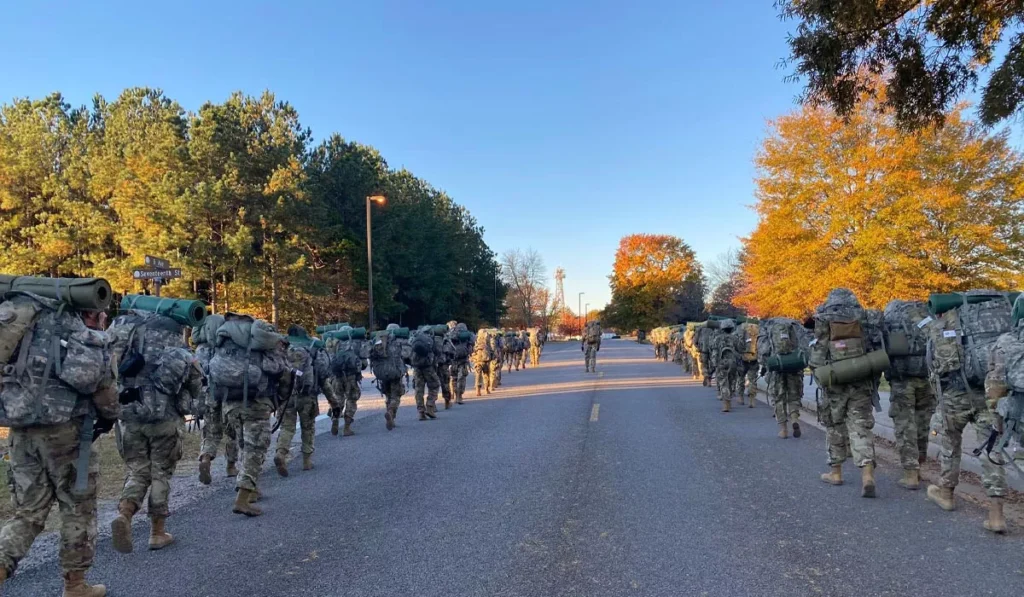
Adding weight to a backpack transforms a simple walk into something closer to a hybrid workout, combining cardiovascular exercise with elements of strength or resistance training. Rucking can help fulfill recommended strength training guidelines of at least 20 minutes, twice a week, without ever stepping into a weight room.
Beyond strength, rucking supports cardiovascular endurance and heart health. Additional benefits include improved upper body strength, better posture, and overall physical conditioning, making it a simple way to meaningfully increase the intensity of a daily walking routine.
For anyone in Bali already walking daily, along Sanur’s beachfront, through Ubud’s rice paddies, or up the incline toward a hillside villa in Uluwatu, rucking offers a way to extract noticeably more fitness benefit from a habit that’s already part of everyday life on the island.
Don’t Believe the Overhyped Claims

While rucking is heavily promoted on social media as a way to burn significantly more calories than regular walking, that claim isn’t fully backed by scientific evidence. The idea that rucking can burn two to three times more calories traces back to military research involving participants carrying loads exceeding 30% of their body weight, conditions far more extreme than what most recreational walkers actually carry.
In practice, beginners are generally advised to carry only about 5-10 kilograms. At that weight, the increase in calorie burn is estimated at roughly 10-20% compared to walking without any load, a meaningful but far more modest bump than social media trends often suggest.
That benefit remains genuinely positive for overall fitness, but isn’t significant enough on its own to drive weight loss without an accompanying healthy diet. Research specifically examining rucking as a recreational activity also remains limited, meaning many of the more dramatic claims circulating online still require further scientific study.
How to Start Rucking Safely

Getting started doesn’t require specialized gear. A backpack already sitting in your closet works fine, filled with books, water bottles, or any household items as initial weight. For those wanting to commit further, purpose-built rucking backpacks are available, designed for added comfort and safety when carrying a load over distance.
Make sure the backpack sits snugly against your back and doesn’t hang too low, which can cause discomfort or strain over longer walks. Beginners should start with roughly 2-5 kilograms of weight, gradually increasing the load as fitness improves. A good starting distance is around 1.6 kilometers before increasing either distance or weight.
Simple as it looks, rucking still requires a gradual approach. With proper technique and an appropriate load, it offers a genuinely effective way to make an everyday walking routine more challenging, without needing to switch to high-intensity training.
Why This Matters for Anyone Walking Regularly in Bali

For expats and travelers already logging daily steps around the island, whether commuting by foot in Canggu, exploring temple grounds in Ubud, or walking Uluwatu’s clifftop paths, rucking offers a low-cost, equipment-light way to turn an existing habit into a more complete workout. No gym membership, no new sport to learn, just a backpack and a bit more weight on a walk you were probably already taking.