


































A child trafficking investigation in western Bali is drawing attention to the hidden vulnerabilities faced by underage workers in the island’s nightlife industry.
JEMBRANA, Bali — She was still legally a child.
Yet instead of spending her evenings studying or preparing for her future, investigators say she was working as a lady companion (LC) in a karaoke café on Indonesia’s resort island of Bali.
The discovery has led police in Jembrana Regency, western Bali, to launch a human trafficking case that highlights the risks faced by vulnerable young people seeking work in the island’s informal entertainment sector.
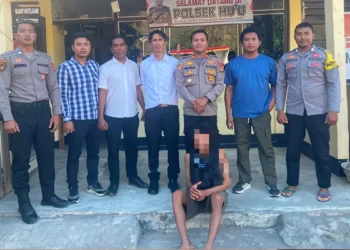
Authorities have arrested the manager of the café, identified only by the initials HW, 25, on suspicion of violating Indonesia’s anti-human trafficking and child protection laws.
According to investigators, officers visited the venue after receiving reports from members of the public that underage workers were being employed at the establishment.
During an inspection on the evening of 30 June, police identified one female worker, referred to only by the initials PW, who was under the age of 18.
Police say the teenager had been introduced to the job by a friend from her hometown.
Investigators allege that the café manager accepted her for work after receiving only a photograph of an identity card sent through WhatsApp.
The document, however, did not belong to the girl.
It belonged to her older sister.
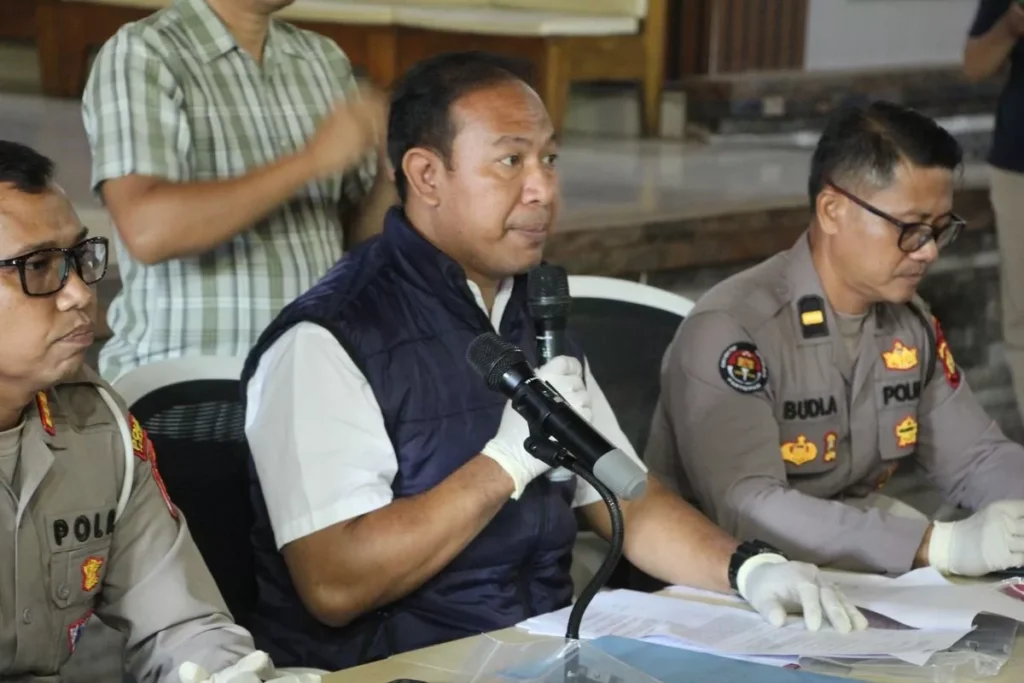
“The suspect did not verify the original identification document or confirm the victim’s actual age before employing her,” AKP Gede Alit Darmana, Head of Criminal Investigation at Jembrana Police, said on Thursday.
Unlike formal employment, investigators said workers at the café did not receive a fixed salary.
Instead, their earnings depended entirely on persuading customers to purchase alcoholic drinks.
According to police, workers received approximately Rp25,000 (about US$1.50) for every bottle of local red wine sold and Rp20,000 for each bottle of beer.
Payments were reportedly made once every ten days.
Authorities have since taken the café manager into custody while the investigation continues.
He has been named a suspect under Indonesia’s Anti-Human Trafficking Law, alongside provisions of the country’s Child Protection Law and labour regulations prohibiting the employment of minors.
The case serves as another reminder that behind Bali’s internationally known nightlife and tourism economy, some young people remain vulnerable to exploitation.
While millions of visitors experience the island through beach clubs, restaurants and entertainment venues, child protection organisations have long warned that economic hardship, limited opportunities and weak identity verification can leave minors at risk of being drawn into unsafe forms of work.
Police have not alleged that the teenager was trafficked across regions or forced into commercial sexual exploitation.
However, Indonesian law classifies the recruitment and employment of minors in prohibited work under certain circumstances as a potential human trafficking offence.
Authorities say the investigation remains ongoing.
For Bali, a destination that welcomes millions of international visitors each year, the case is a reminder that protecting the island’s reputation also means protecting its most vulnerable residents.
Tourism is often measured by visitor arrivals and hotel occupancy.
But its true success may also depend on whether the children growing up behind the scenes are protected from exploitation before they become invisible victims of the industry that surrounds them.