
































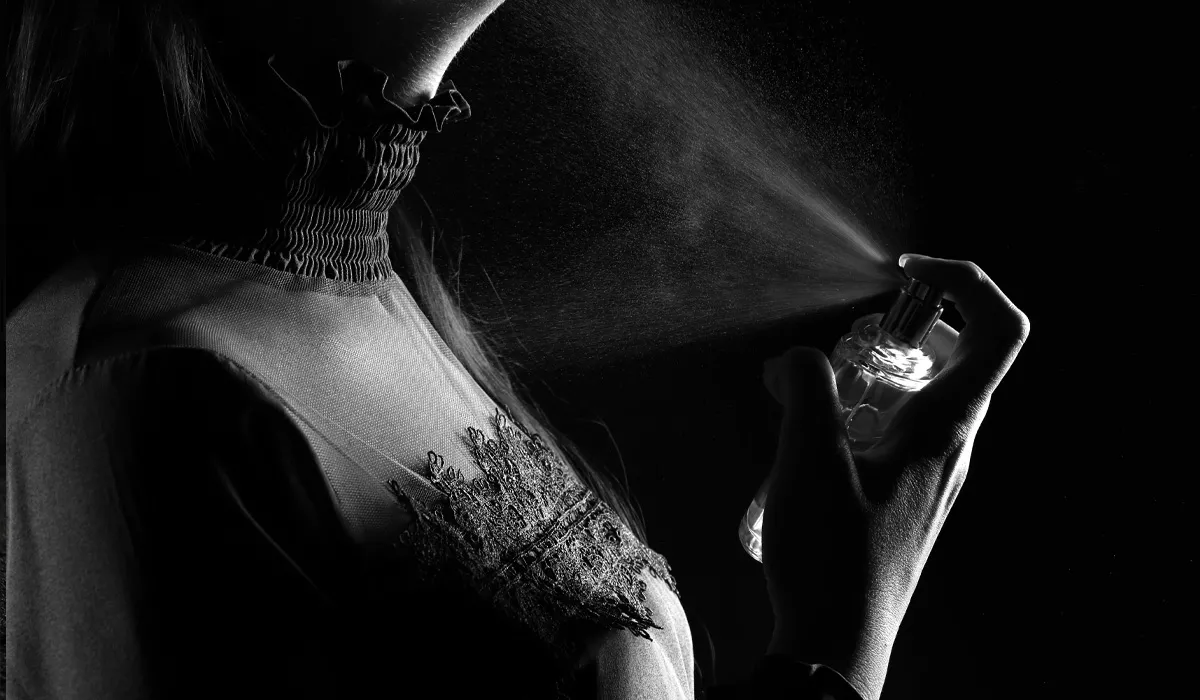
Spray your signature scent before heading out for breakfast in Seminyak, and by the time you’re finishing lunch, it’s gone, not faded, gone. Ask anyone who’s moved to Bali from a temperate climate, and they’ll tell you the same story: perfume that lasted all day back home barely survives the walk to the beach here. There’s real chemistry behind that frustration, and understanding it changes how you should be applying fragrance on the island entirely.
The Science: Why Heat and Humidity Are a Brutal Combination for Perfume
Fragrance molecules behave according to a property called volatility, essentially, how quickly they evaporate. According to perfume science resource WhatScent Magazine, temperature and humidity directly affect that volatility: highly volatile molecules like bright citrus notes evaporate almost immediately in heat, while denser, heavier molecules like resins and woods linger far longer.
Heat alone accelerates the problem. Warmth speeds up the evaporation of fragrance oils, meaning lighter top notes, the first scent you smell when you spray, burn off dramatically faster in hot conditions. According to Scent Journer, a fragrance brand based in tropical Singapore, higher external heat combined with elevated body temperature accelerates the evaporation of perfume molecules, directly shortening how long a scent lasts on skin.
Here’s the twist that makes Bali’s climate particularly punishing: humidity and heat don’t just add together, they compound each other. According to Scento’s climate research, “tropical areas, with their combination of heat and humidity, can make fragrances break down faster as the moisture in the air interacts with the perfume’s components,” a distinctly different effect from dry desert heat, where evaporation happens quickly but the chemical breakdown itself is less pronounced.
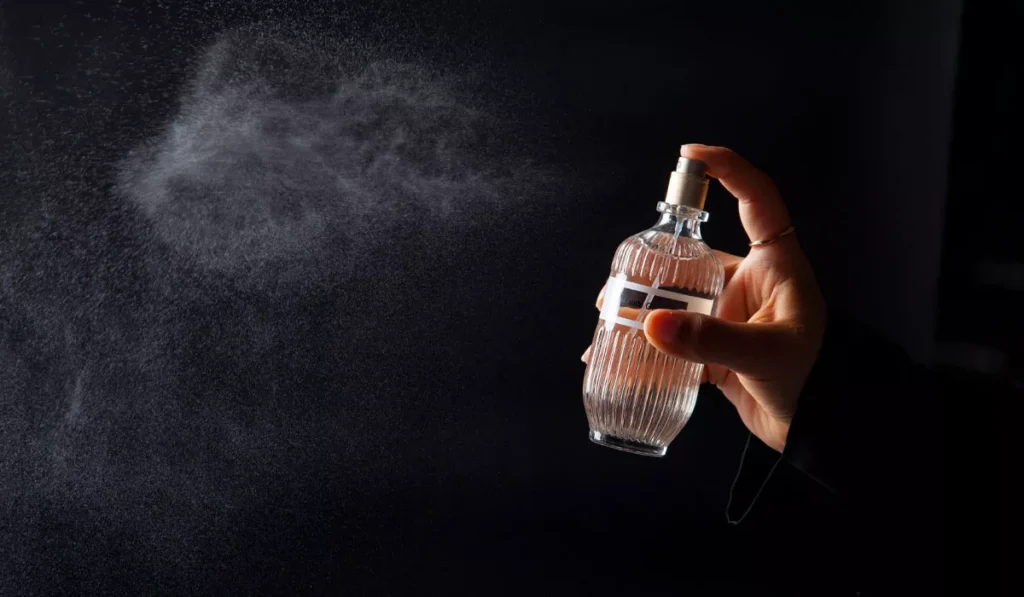
The Wow Fact: Humidity Doesn’t Just Speed Up Evaporation, It Changes How Your Nose Perceives the Scent
Here’s what most people don’t realize: in high humidity, water molecules in the air actually form a microscopic layer around fragrance compounds, according to fragrance guide Uamore, creating what perfumers call “olfactory overload,” where a scent hits the nose all at once rather than unfolding gradually. That’s precisely why a perfume that smelled perfectly balanced when you bought it back home can feel overwhelming or “off” within minutes of stepping outside in Bali’s humidity, and why heavier notes like thick vanilla, potent oud, or syrupy gourmands can turn cloying rather than luxurious in tropical heat.
Why Sweat Changes the Equation Entirely
Bali’s combination of heat and near-constant humidity, typically 75-85% year-round, doesn’t just accelerate evaporation, it also means significantly more sweat, which interacts directly with fragrance on skin. According to research compiled by XplDB on perfume behavior specifically in Indonesia’s climate, sweat changes how a scent develops on the body, sometimes shifting its character entirely from how it smelled at the counter.
One counterintuitive tip from fragrance experts: in humid weather, hair actually holds fragrance longer than sweaty skin does, according to MEANT’s climate fragrance guide, since sweat constantly disrupts scent molecules on the skin’s surface in a way it doesn’t on hair strands.
How to Actually Make Perfume Last in Bali’s Climate
Fragrance experts consistently recommend a specific set of adjustments for hot, humid environments, all of which apply directly to daily life in Bali:
Moisturize with an unscented lotion first. Hydrated skin holds fragrance molecules more effectively than dry skin, giving the scent oils a surface to bind to rather than evaporating immediately.
Choose Eau de Parfum over Eau de Toilette. Higher oil concentration means slower evaporation, a meaningful advantage when heat is already accelerating the process.
Spray on clothing and hair, not just skin. According to MEANT’s fragrance guide, perfume molecules latch onto fabric fibers and hair strands far more effectively than onto sweat-affected skin, extending wear time considerably.
Reconsider heavy, dense fragrances for daily Bali wear. According to Tonkava’s climate fragrance research, heavy vanilla, oud, and thick amber scents that read as rich and elegant in cooler climates can become overwhelming in tropical heat. Lighter structures built around ambroxan, iso e super, or light cedarwood provide longevity without the cloying intensity.
Never store perfume in the bathroom. Constant temperature and humidity swings from showering degrade fragrance composition over time, a genuinely bad habit in a climate where bathrooms rarely stay cool or dry.
Reapply more frequently than you would at home. Given how much faster top and heart notes burn off in heat, carrying a travel-size bottle for a midday reapplication isn’t excessive in Bali, it’s simply accounting for the climate.
Perfume Concentration and Expected Wear Time
| Concentration | Oil Content | Typical Longevity (Temperate Climate) | Expected Longevity in Bali’s Heat & Humidity |
| Eau de Cologne (EDC) | 2-4% | 2-3 hours | 1-2 hours |
| Eau de Toilette (EDT) | 5-15% | 3-6 hours | 2-4 hours |
| Eau de Parfum (EDP) | 15-20% | 6-10 hours | 4-7 hours |
| Parfum/Extrait | 20-40% | 8-12+ hours | 6-9 hours |
Note: Bali estimates account for the accelerated evaporation typical of tropical heat and humidity; actual longevity varies by individual skin chemistry, fragrance composition, and activity level.
Frequently Asked Questions
Why does perfume fade faster in Bali than in cooler countries?
Heat accelerates the evaporation of fragrance oils, while high humidity causes those molecules to break down and disperse faster, a combination that hits tropical climates like Bali particularly hard compared to drier or cooler regions.
Should I wear a stronger perfume to compensate for Bali’s climate?
Not necessarily. Fragrance experts note that reaching for a heavier, more concentrated scent often backfires in humidity, since moisture traps larger, sweeter molecules closer to the skin, making the fragrance feel overwhelming rather than long-lasting. A well-chosen Eau de Parfum with lighter, sheer construction typically performs better than an intensely heavy scent.
Is it true that perfume smells different in Bali than it does at home?
Yes. Humidity can amplify certain notes, particularly sweet or heavy ones, while accelerating the loss of lighter top notes, meaning the same perfume can genuinely smell different on your skin in Bali’s climate compared to a cooler, drier environment.
Does storing perfume in Bali’s climate damage the bottle itself, even unopened?
Yes. Heat and humidity degrade fragrance composition over time even in sealed bottles. Perfume should be stored in a cool, dark, dry space, a wardrobe shelf rather than a bathroom cabinet or anywhere near direct sunlight.
What type of fragrance lasts longest in Bali’s heat and humidity?
Fragrances built around lighter, more transparent structures, using notes like ambroxan, cedarwood, or light musk, tend to perform more consistently in tropical heat than dense, syrupy compositions built around heavy vanilla or oud, which can become overwhelming rather than long-lasting.
What This Means for Your Bali Fragrance Routine
The perfume that performed beautifully for eight hours back home was never designed for 85% humidity and equatorial heat, and that’s not a flaw in the fragrance, it’s simply chemistry responding to a completely different environment. Moisturize first, spray on clothing and hair rather than just skin, lean toward lighter Eau de Parfum formulations over heavy extracts, and keep a travel bottle handy for a midday refresh. Do that, and the scent that used to vanish by lunch might actually make it to sunset.