






























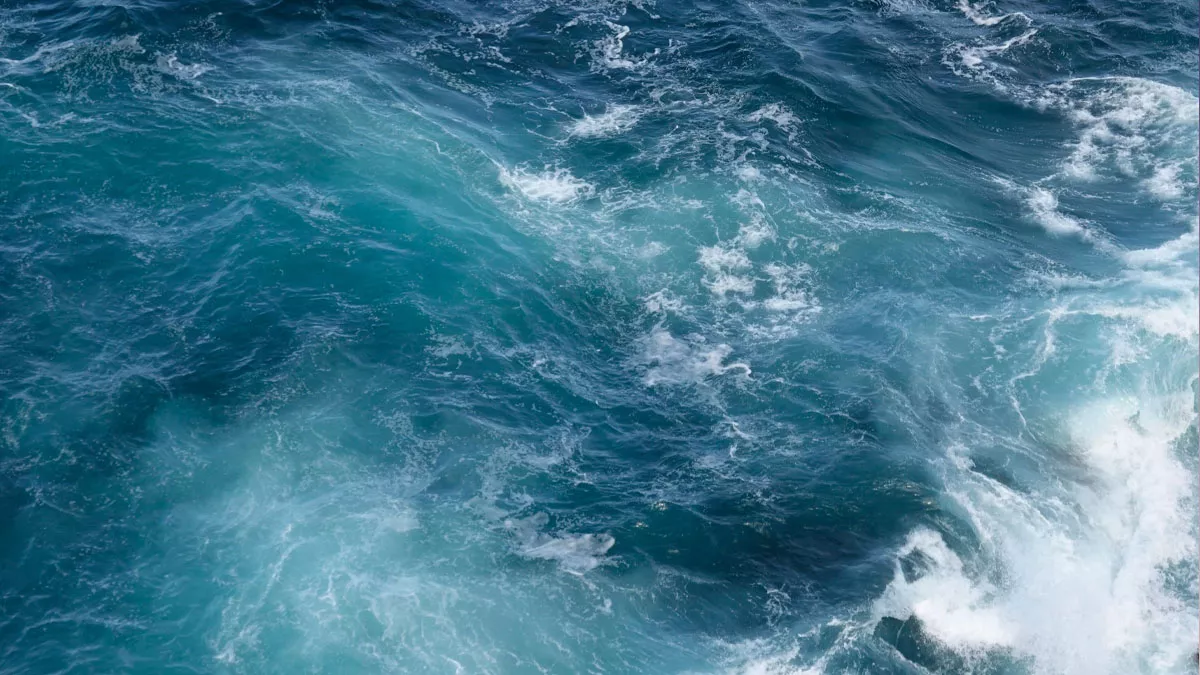
BALI – The powerful currents flowing between Bali and Nusa Penida are best known for attracting divers in search of manta rays and the elusive mola mola. But those same waters could soon serve another purpose: generating clean electricity.
The Provincial Government of Bali has backed an early-stage study exploring whether the Nusa Penida Strait could become home to one of Indonesia’s first commercial tidal current power projects, a move that could help reduce the island’s dependence on imported fossil fuels.
Officials say the proposal aligns with Bali’s long-term ambition to become more energy independent while expanding the use of renewable energy across the island.
Harnessing One of Nature’s Most Predictable Energy Sources
Unlike solar or wind energy, tidal currents are highly predictable, making them an increasingly attractive option for countries surrounded by water.
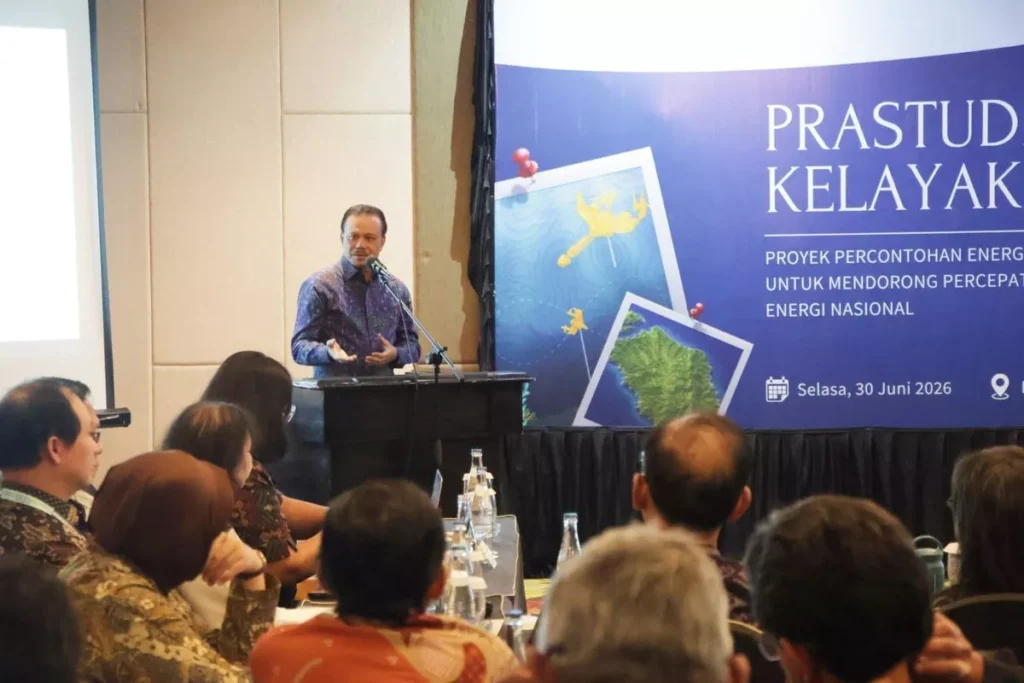
Speaking during the presentation of a pre-feasibility study in Denpasar, Bali Provincial Secretary Dewa Made Indra said renewable marine energy fits the island’s broader clean energy strategy, which already encourages electric vehicles and rooftop solar systems for government offices, businesses, and tourism operators.
“Bali’s energy independence remains one of the provincial government’s strategic priorities, and renewable energy plays an important role in achieving that goal,” he said.
Tourism and Marine Life Remain Key Considerations
While supporting the project, Bali’s government emphasized that any future development must carefully balance renewable energy ambitions with the island’s tourism economy and marine ecosystem.
The waters around Nusa Penida are internationally recognized for diving, snorkeling, marine biodiversity, and busy boat routes connecting Bali with nearby islands.
Officials said environmental protection, local fishing activities, shipping lanes, and tourism operations would all be evaluated before any project moves forward.
Community consultation will also be a central part of the planning process to ensure local residents benefit from any future development.
Why Nusa Penida?
According to Professor R. Dwi Susanto, Senior Research Scientist at the University of Maryland, Indonesia possesses some of the world’s strongest natural conditions for tidal current energy.
Research conducted through the USAID SINAR program and Indonesia’s Directorate General of New, Renewable Energy and Energy Conservation identified 32 strategic straits across the country with significant renewable energy potential. The Nusa Penida Strait ranks among the most promising locations.
Modern tidal current technology, he noted, has already proven commercially viable in several countries and can generate electricity with minimal visual impact above the water.
Properly designed systems are also expected to coexist with tourism, navigation, and local fishing activities.
A New Chapter for Bali’s Sustainability Goals
For international visitors, Bali has increasingly become synonymous with sustainability initiatives, from plastic reduction campaigns to electric vehicle adoption and eco-conscious tourism developments.
If the project eventually proceeds beyond the feasibility stage, tidal energy could become another milestone in the island’s transition toward cleaner infrastructure.
For now, however, the proposal remains in its evaluation phase, with engineers, scientists, tourism stakeholders, traditional leaders, and local communities working together to determine whether the currents that have shaped Bali’s coastal waters for centuries can also help power its future.