


































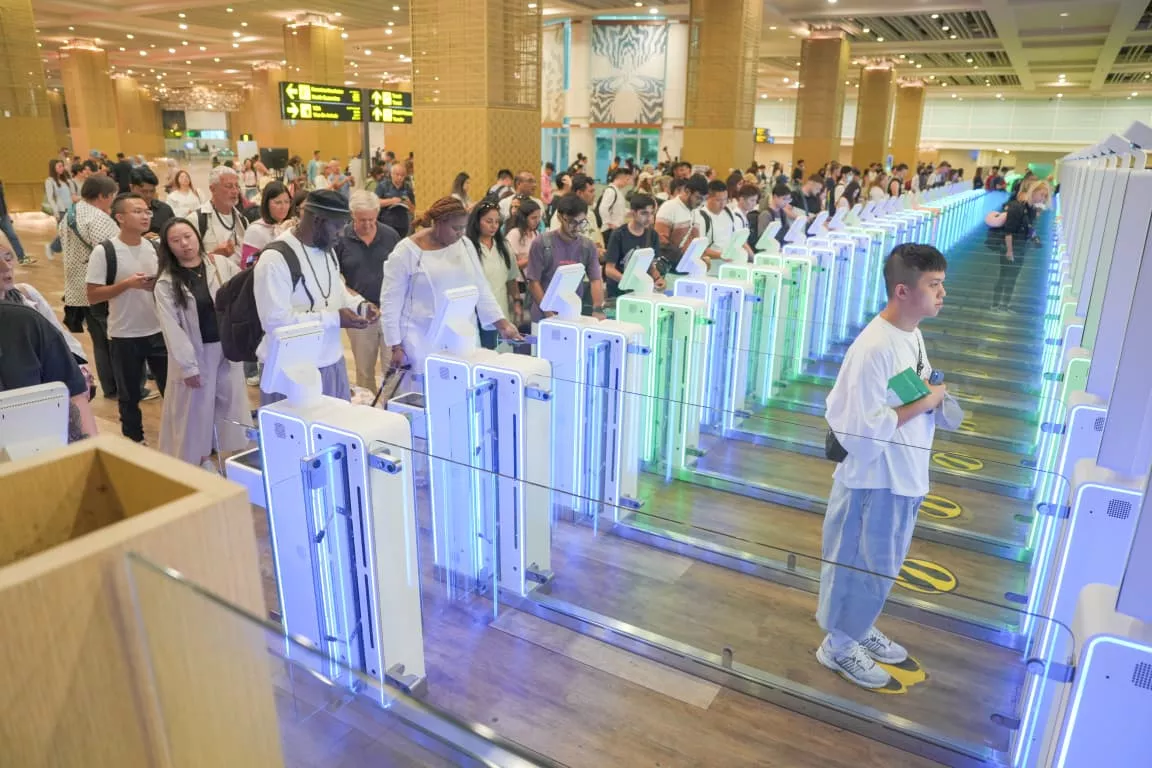
As visa revenue climbs despite fewer visas being issued, Indonesia says its immigration strategy is shifting from chasing visitor numbers to attracting higher-quality travellers and long-term contributors.
JAKARTA – For years, success in tourism was measured by one simple number: how many people arrived.
Indonesia now appears to be measuring success differently.
While the country welcomed millions of international visitors during the first half of 2026, immigration officials say their focus is no longer on simply increasing arrivals. Instead, they want to attract visitors who contribute to the economy, respect local laws and culture, and add long-term value to the country.
The policy shift comes as Indonesia’s Directorate General of Immigration reported Rp2.82 trillion (approximately US$173 million) in visa-related non-tax revenue during the first six months of 2026, a 6.42% increase compared with the same period last year, even though the total number of visas issued actually declined.
According to Immigration Director General Hendarsam Marantoko, the figures reflect a broader transformation in how Indonesia manages its borders.
“Our focus is no longer on quantity. We are prioritising digital transformation and a selective policy to ensure that every foreign national entering Indonesia provides added value to the national economy without compromising national security,” he said.
For travellers heading to Bali, Jakarta or other destinations across Indonesia, the change is unlikely to be obvious.
Visa applications remain available through existing channels, and holidaymakers will probably notice little difference during their trips.
Behind the scenes, however, immigration authorities are becoming more selective about who enters, stays and works in the country.
The first-half figures illustrate that strategy.
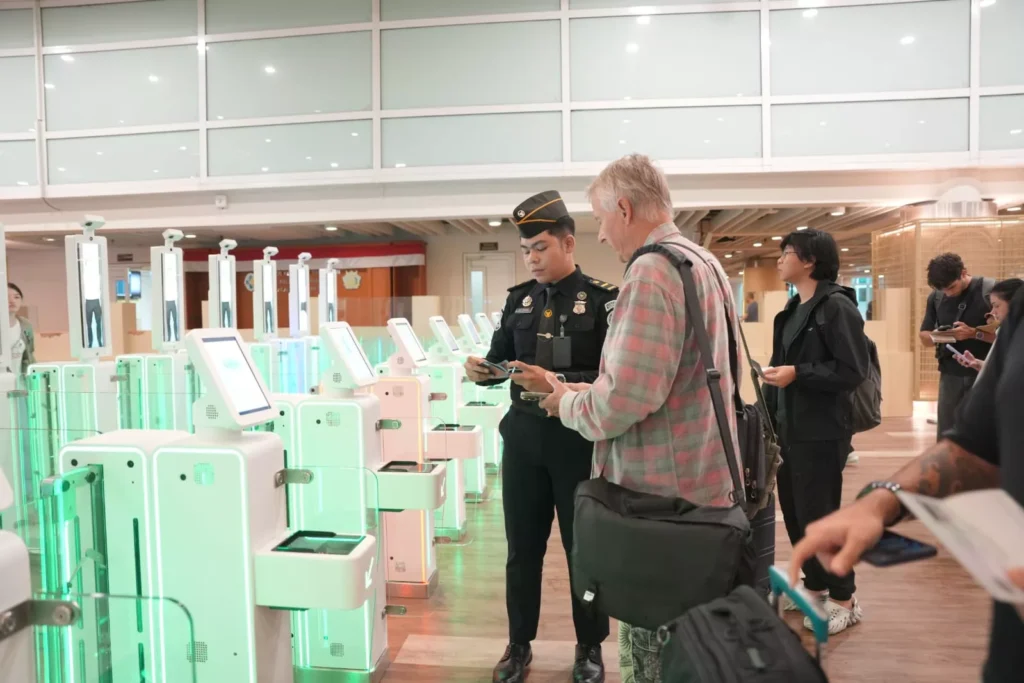
Although total visa issuance fell by nearly seven percent compared with the same period in 2025, visa revenue increased, while the number of Visa on Arrival and standard visitor visas remained strong. Officials also reported encouraging uptake of Indonesia’s Golden Visa, a programme designed to attract foreign investors, entrepreneurs and highly skilled professionals.
Australia remained Indonesia’s largest source of international visitors, followed by China, India, South Korea and the United States, underlining Bali’s continuing importance as a gateway for global tourism.
At the same time, immigration enforcement has intensified.
During the first six months of the year, authorities carried out more than 10,900 administrative immigration actions, including 3,260 deportations and residence permit cancellations involving foreigners who violated immigration rules or were considered threats to public order and national security. Immigration investigators also pursued criminal proceedings against dozens of foreign nationals, while more than 2,100 people were placed on Indonesia’s blacklist.
Officials insist the tougher approach is not intended to discourage tourism.
Instead, they argue it is designed to protect destinations such as Bali by ensuring that legitimate visitors can continue enjoying Indonesia while reducing illegal employment, visa abuse and other activities that have increasingly attracted public attention in recent years.
The shift reflects a wider trend among many tourism-dependent destinations around the world, where governments are trying to balance economic growth with stronger regulation, sustainability and public confidence.
For Bali, where debates over overtourism, illegal foreign businesses and inappropriate visitor behaviour have become increasingly common, the message is particularly relevant.
Indonesia is not closing its doors.
It is simply becoming more selective about who walks through them.