


































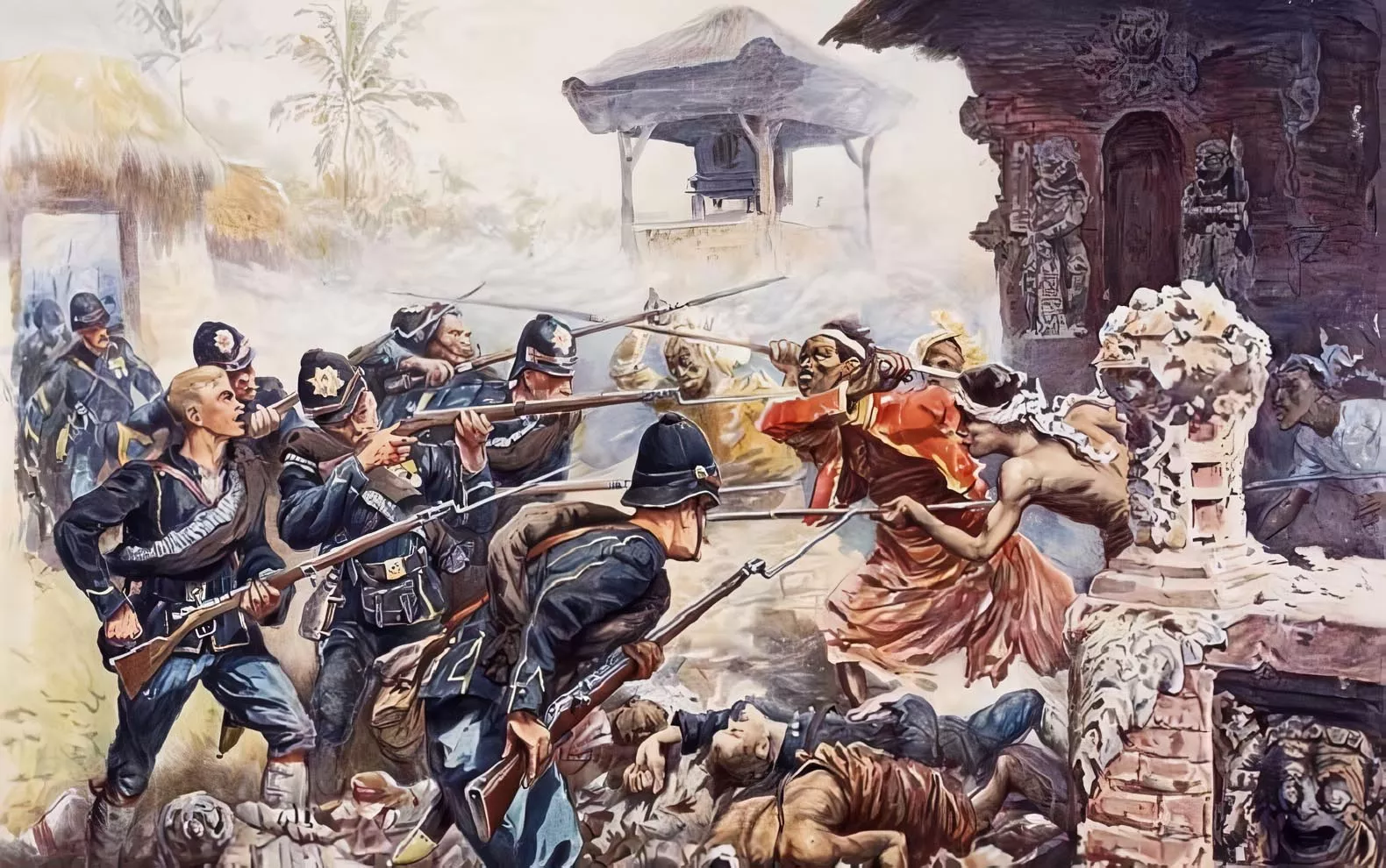
Long before Bali became one of the world’s most beloved travel destinations, the island was the stage for one of history’s most extraordinary acts of resistance. To understand Bali, visitors must first understand the meaning of one word: Puputan.
Every year, millions of travelers arrive in Bali searching for paradise.
They come for emerald rice terraces, sacred temples, volcanic landscapes, and sunsets that have become iconic across social media.
Few realize that beneath this image of serenity lies one of Southeast Asia’s most remarkable stories of resistance.
Walk through the heart of Denpasar and you will find Lapangan Puputan Badung.
Visit Klungkung and another public square bears the same name.
To many tourists, “Puputan” is simply a place on Google Maps.
For the Balinese, it is something much deeper.
It is memory.
It is identity.
It is a philosophy that continues to shape how many Balinese people understand dignity, sacrifice, and honour.
A Word That Means “The End”
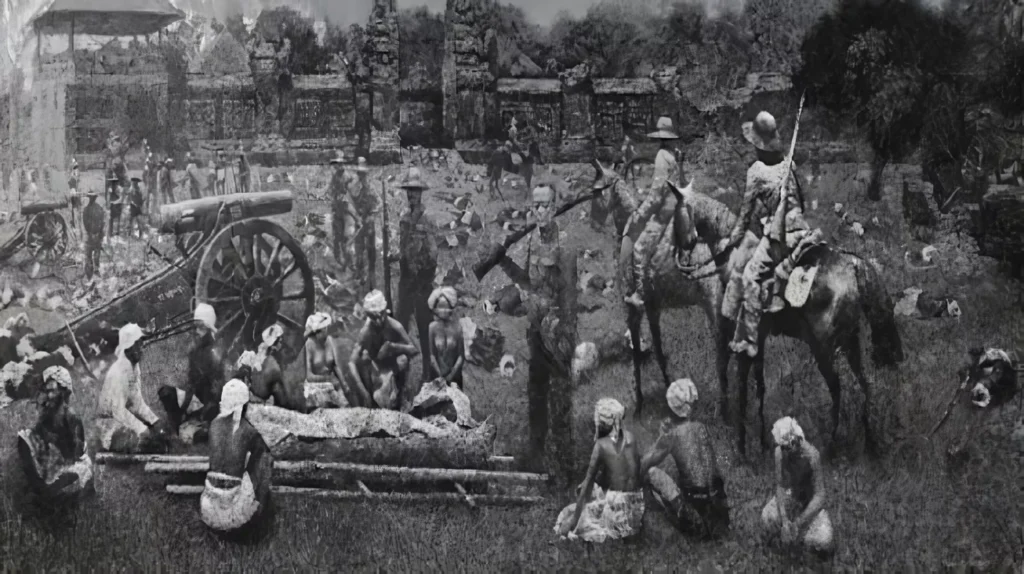
The word Puputan comes from the Balinese word puput, meaning to finish, to complete, or to bring something to its ultimate conclusion.
Historically, however, the word took on a far more profound meaning.
Puputan became the name given to a final act of collective resistance in which rulers, nobles, warriors, and often ordinary civilians chose to fight until death rather than surrender to colonial forces.
Unlike conventional warfare, victory was never the objective.
Honour was.
To outsiders, the decision appeared incomprehensible.
To the Balinese kingdoms of the time, surrender meant more than losing political power.
It meant losing dignity.
Before Bali Became a Tourist Destination
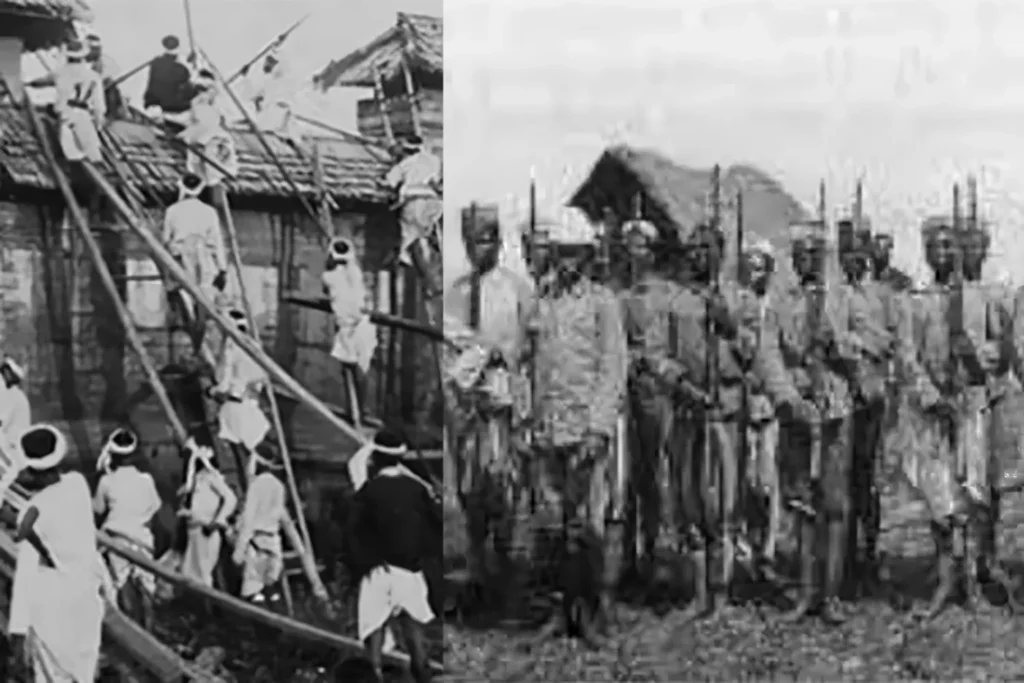
During much of the nineteenth century, Bali remained one of the few parts of the Indonesian archipelago that retained significant independence from Dutch colonial control.
While colonial influence expanded throughout Java, Sumatra, and other islands, Bali’s kingdoms continued to defend their sovereignty through diplomacy, alliances, and when necessary, armed resistance.
The Dutch launched a series of military expeditions against Bali beginning in the mid-1800s.
These campaigns eventually culminated in some of the island’s most defining historical moments.
When White Became the Colour of Courage
Perhaps the most striking image in Balinese history occurred during the Puputan Badung of 1906.
Rather than retreat behind palace walls, the Raja of Badung emerged dressed in white ceremonial clothing.
Behind him walked members of the royal family, court officials, priests, women, children, and loyal followers.
Many carried only ceremonial kris daggers or traditional spears.
They understood the overwhelming superiority of Dutch firearms.
They continued walking anyway.
Historical accounts describe the procession not as chaos, but as one marked by extraordinary calm.
What followed became one of the most devastating episodes of colonial conquest in Southeast Asia.
Hundreds—and according to several historical estimates, perhaps more than a thousand—Balinese were killed.
The Dutch won the battle.
But the meaning of Puputan would outlive the empire itself.
More Than One Battle
Many people associate Puputan solely with Badung.
In reality, it became a recurring expression of Balinese resistance.
Puputan Jagaraga (1848–1849) reflected the determination of the Kingdom of Buleleng under I Gusti Ketut Jelantik to resist Dutch expansion.
Puputan Klungkung (1908) marked the fall of the last major independent Balinese kingdom after Raja Dewa Agung Jambe II and his followers chose death over submission.
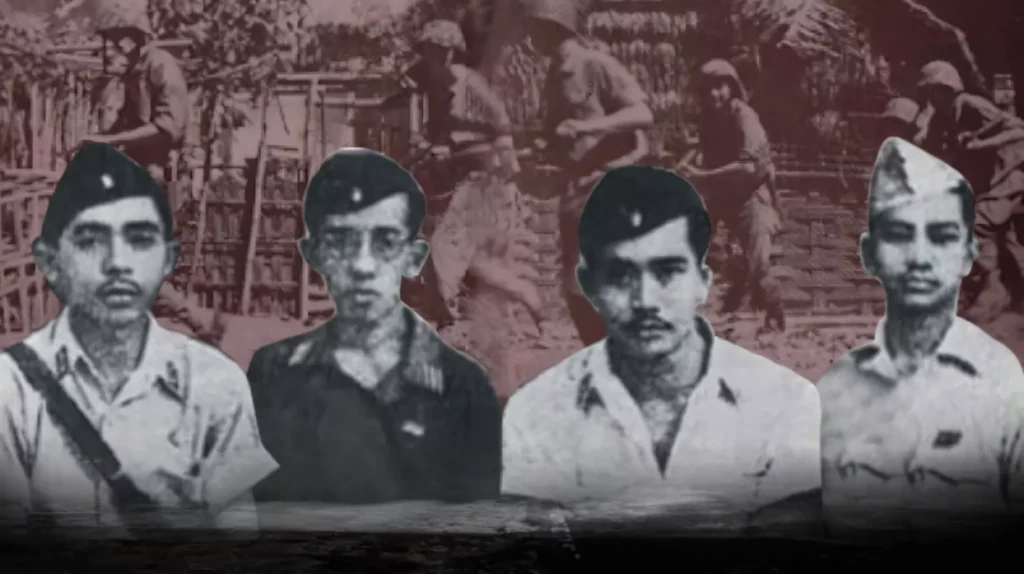
Nearly four decades later, the spirit reappeared in Puputan Margarana (1946).
Although Indonesia had already proclaimed independence, Dutch forces sought to re-establish colonial control.
Lieutenant Colonel I Gusti Ngurah Rai and ninety-five members of the Ciung Wanara Battalion fought until every one of them had fallen.
Unlike earlier Puputan wars fought by kingdoms, Margarana became a struggle for the Republic of Indonesia itself.
Today, Ngurah Rai’s name lives on through Bali’s international airport—an everyday reminder that one of Indonesia’s national heroes came from an island better known abroad for holidays than for history.
Understanding Bali Beyond Paradise
For many visitors, Bali is defined by hospitality, spirituality, and beauty.
Those qualities are real.
Yet they represent only part of the island’s identity.
The philosophy of Puputan reveals another side of Bali—one built upon courage, loyalty, collective responsibility, and an unwavering commitment to honour.
Historians have long argued that Puputan should not be viewed simply as a military event.
It was also a cultural statement.
The Balinese understanding of leadership was inseparable from responsibility to one’s people.
A ruler who surrendered risked more than defeat; he risked abandoning the moral obligations that defined his position.
Whether modern observers agree with those choices or not, their symbolic power continues to resonate throughout Bali.
The Legacy Lives On
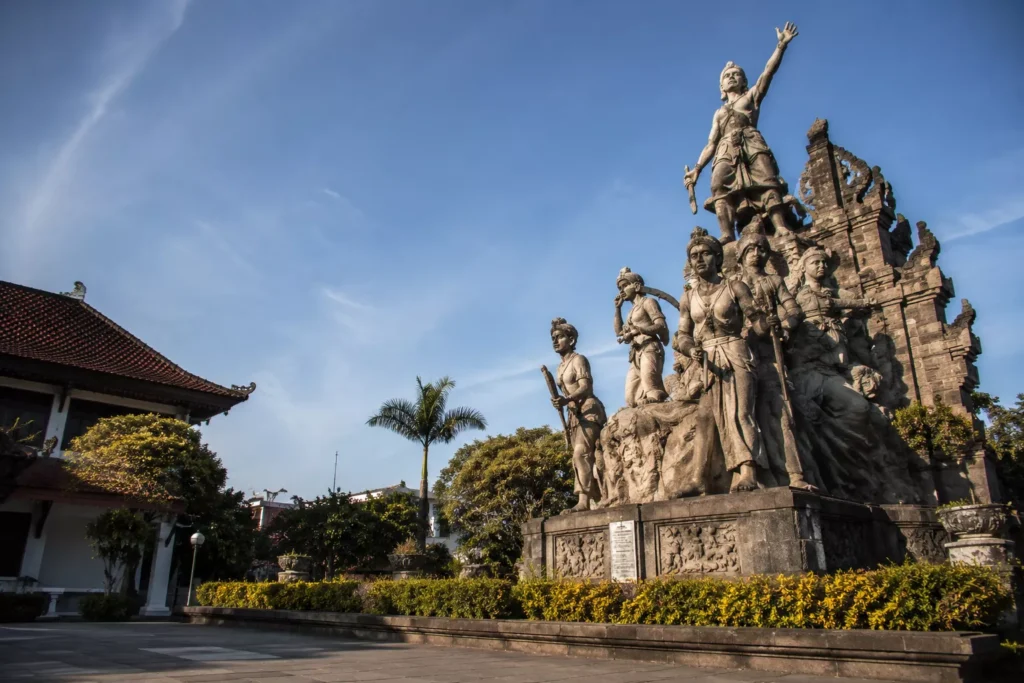
Today, the battlefields have become public squares.
Children play where armies once marched.
Tourists photograph monuments without always knowing what they represent.
Every year, ceremonies commemorate the sacrifices made during the various Puputan wars, reminding younger generations that Bali’s identity was shaped not only by temples and traditions, but also by extraordinary acts of courage.
Perhaps that is why the word Puputan still carries such emotional weight across the island.
It is not merely a chapter in a history book.
It is a reminder that freedom, dignity, and cultural identity often come at an immeasurable cost.
For travellers seeking to understand the real Bali, learning the meaning of Puputan may be just as important as visiting Tanah Lot, Uluwatu, or the rice terraces of Jatiluwih.
Because before Bali became one of the world’s most celebrated islands, it became a place that refused to surrender.
Sources & Historical References
This article draws on historical research from the Indonesian Ministry of Education and Culture, academic publications on the Puputan wars, studies published in Criksetra: Jurnal Pendidikan Sejarah, research on the Puputan Badung by the former Department of Education and Culture of Indonesia, and historical analyses of Bali’s resistance to Dutch colonial rule. It also incorporates broader historical context from scholarly works on Dutch colonialism in Indonesia and Balinese political history.