













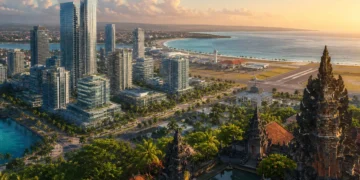





















There’s a specific kind of Bali trip that’s become instantly recognizable on Instagram: five days, twelve locations, a phone full of near-identical infinity pool photos, and a traveler who leaves the island more exhausted than when they arrived. Increasingly, travelers are questioning whether that’s actually a vacation, or just a checklist with a tan.
Enter slow tourism, a growing travel philosophy that trades “how many places can I see” for “how deeply can I actually experience this place.” And few destinations illustrate why that shift matters more than Bali, an island now visibly straining under the opposite approach.
Why Bali Is the Perfect Case Study for Slow Tourism
Bali’s overtourism problem isn’t hypothetical. Tourism now accounts for roughly 80% of the island’s economy, a dependency that has driven record visitor numbers in recent years alongside genuine strain on waste management systems, road networks, and public infrastructure. In response, Indonesia’s Ministry of Tourism and Creative Economy, working with Bali’s provincial government, has already imposed a moratorium on new hotel, villa, and nightclub construction in the island’s busiest areas, a clear acknowledgment that growth has outpaced the island’s capacity to absorb it.
Academic research examining Bali’s overtourism has found that the constant influx of visitors has contributed to environmental degradation and infrastructure strain severe enough to affect residents’ daily quality of life, not just tourist experience. Traffic congestion tied to tourism has become so pronounced that Bali’s own governor recently flagged it as the island’s most urgent challenge, warning that unmanaged growth risks undermining Bali’s long-term competitiveness as a destination.
Slow tourism offers a rare alignment of interests in this context. It’s better for travelers seeking a genuinely memorable trip, and better for Bali itself, since it naturally spreads tourist impact more thinly across time and location rather than concentrating it into short, high-intensity bursts through the same handful of viral hotspots.
What It Means to Experience Bali Instead of Collecting It
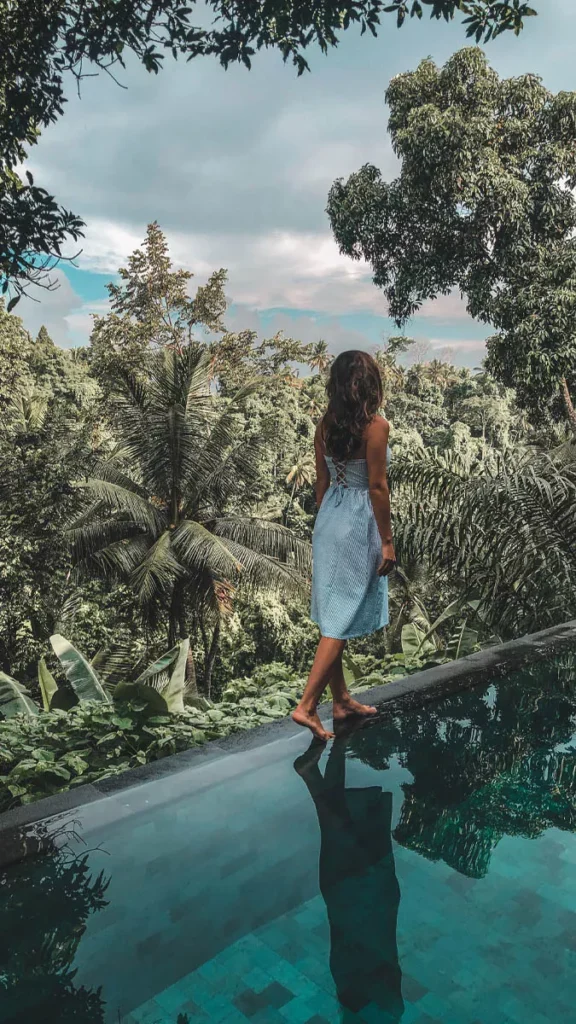
The concept is simple: instead of racing between Uluwatu, Ubud, Nusa Penida, and Amed in a single week, a slow traveler dedicates that same week to just one region. That might mean spending several mornings walking the same stretch of Ubud’s rice terraces rather than photographing five different terraces in a single afternoon, sitting through an entire temple ceremony instead of leaving after the first ten photogenic minutes, or eating breakfast at the same small warung three days running until the owner starts remembering the order.
It’s a deliberate departure from the itinerary-maximizing approach that dominates most first-time Bali trips, and one that a growing number of experienced travelers say produces a far more memorable experience, not despite doing less, but because of it.
You Don’t Need Two Weeks or a Big Budget
One of the most persistent myths about slow travel is that it requires unlimited time and money, a long sabbatical, a remote work visa, a bottomless travel fund. In practice, the opposite is often true.
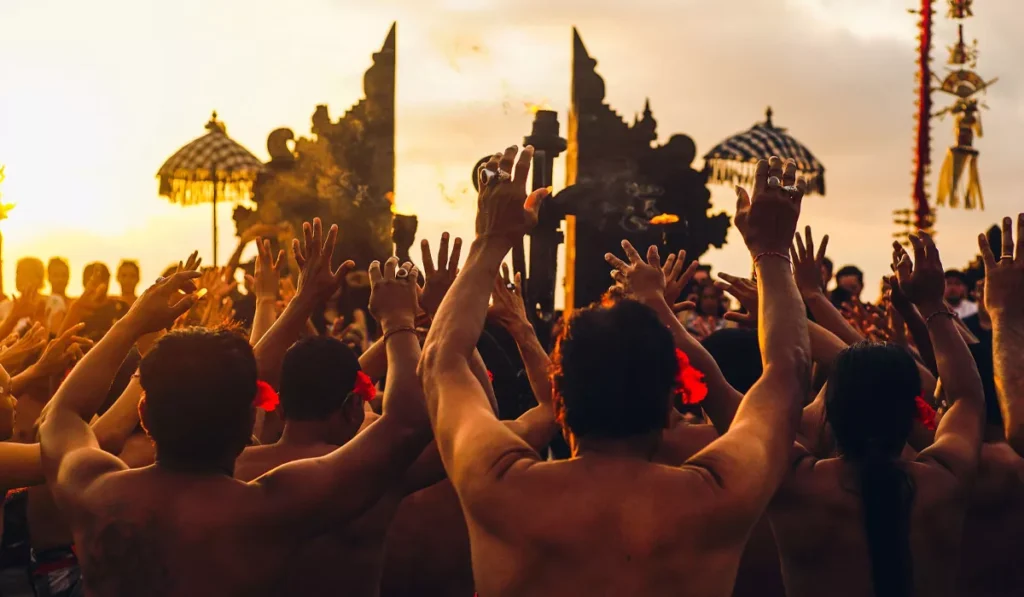
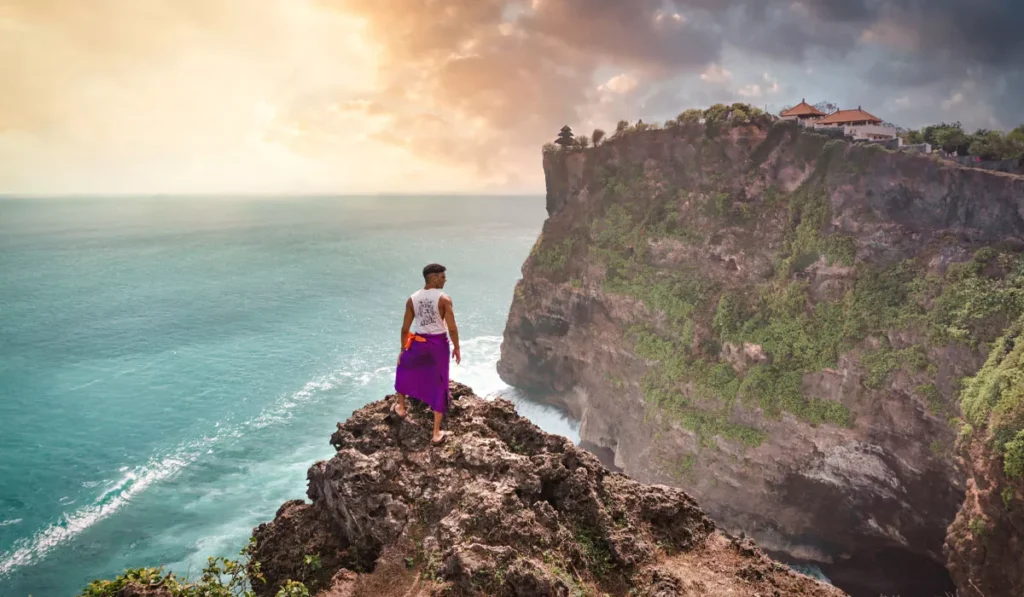
Even a standard week-long Bali holiday can apply slow tourism principles simply by cutting the itinerary in half. Rather than trying to fit in both Uluwatu and Tanah Lot in one frantic day, spend that entire day in Uluwatu alone: walk the clifftop paths without rushing, watch the full Kecak dance performance rather than leaving early to beat traffic, and have dinner nearby instead of driving back across the island afterward.
The financial case is arguably stronger, not weaker. Slow travelers typically spend less on transportation between far-flung destinations and more on homestays, small family-run guesthouses, and local warungs rather than pricier hotel chains and pre-packaged group tours, both a better value and a more direct economic benefit to the communities travelers are visiting.
Practical Ways to Slow Down Your Bali Trip
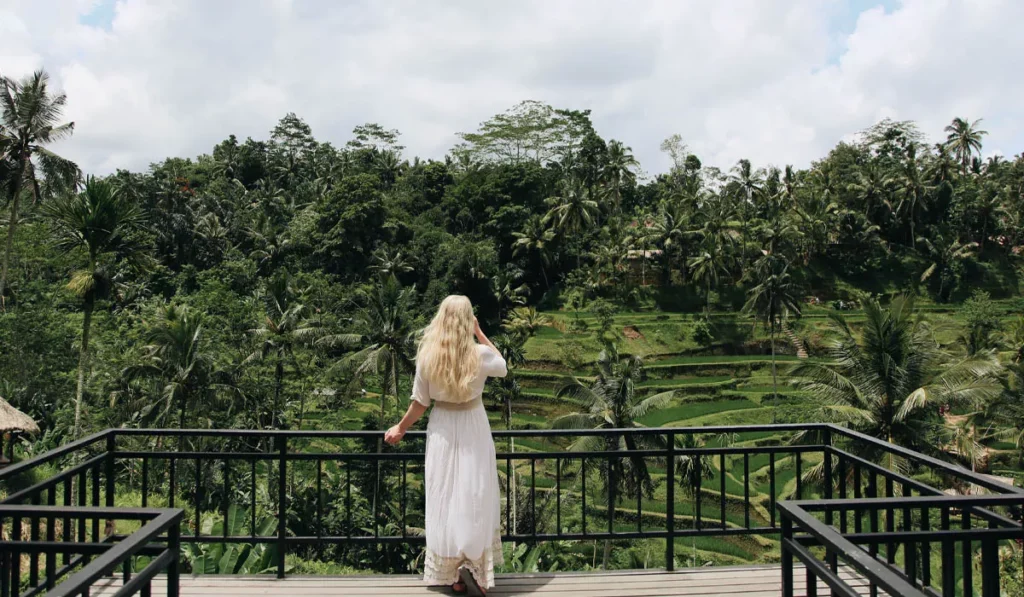
Base yourself in one region. Choose Ubud, Uluwatu, Sidemen, or North Bali for the bulk of your trip rather than criss-crossing the island. Explore that region thoroughly instead of treating Bali as a list of disconnected landmarks to check off.
Build in unscheduled time. Leave room in each day for a rice terrace walk with no destination in mind, an unplanned conversation, or simply sitting somewhere longer than a five-minute photo stop requires.
Cap your daily stops at two. A packed nine-stop itinerary tends to produce nine rushed, half-remembered experiences. Two or three well-chosen stops, given proper time, tend to produce memories that actually last.
Choose participation over observation. A hands-on cooking class, a multi-hour temple ceremony, or a half-day spent learning about local farming practices will almost always outlast a quick photo op in terms of what you actually remember from the trip.
Stay local when you can. Homestays and small guesthouses put your money directly into the local economy, and often come with the kind of informal cultural insight no tour guide script can replicate.
Instead Of… Try…
| Instead of… | Try… |
| Visiting six cafés in one day. | Spending an afternoon in one. |
| Photographing a ceremony for five minutes. | Staying long enough to understand it. |
| Collecting destinations. | Building memories. |
| Asking “what else can we fit in?” | Asking “do we need to leave yet?” |
| Racing to catch the sunset at the famous spot. | Watching it from wherever you happen to be. |
None of these choices require spending more money. Most simply require resisting the urge to keep moving.
Frequently Asked Questions About Slow Tourism in Bali
Do I need a long vacation to practice slow tourism in Bali?
No. Slow tourism is about depth of experience, not trip length. Even a standard week-long trip can apply slow tourism principles by cutting the itinerary down and focusing on fewer, more fully explored locations.
Is slow tourism more expensive than a typical Bali trip?
Generally, no. Slow tourism often costs less overall, since it reduces spending on transportation between distant destinations and favors homestays and local warungs over pricier hotels and group tours.
Where in Bali is best suited for slow tourism?
Regions like Ubud, Sidemen, Munduk, and parts of North Bali offer strong opportunities for immersive, low-pace travel, rice terrace walks, cooking classes, and village-level cultural experiences, without the intensity of Bali’s most heavily trafficked southern hotspots.
Does slow tourism help address Bali’s overtourism problem?
Yes, indirectly. By spreading tourist activity across more time and fewer concentrated locations, slow tourism reduces pressure on Bali’s most visited sites and channels more economic benefit directly to local businesses rather than large-scale operators.
What’s the simplest way to start practicing slow tourism on my next Bali trip?
Pick one region instead of trying to cover the whole island, cut your planned daily stops in half, and deliberately build in unscheduled time, whether that’s a longer conversation, an unplanned walk, or simply sitting somewhere without checking your phone.
The Real Measure of a Good Trip
Years from now, you probably won’t remember how many beaches you visited in Bali. You’ll remember the café owner who knew your coffee order, the farmer who invited you into his rice field, or the ceremony you stayed to watch until the music stopped.
Slow tourism isn’t about doing less. It’s about giving Bali enough time to become more than a destination.
#balitourism | Giostanovlatto