






























BANGLI, Bali – In an era when Bali’s tourism industry is increasingly scrutinized for its environmental and cultural footprint, one village has quietly emerged as a model of how things might be done differently. This July, that village is inviting the world to witness its vision firsthand.
Penglipuran—often hailed as one of the world’s cleanest villages—will host the 13th Penglipuran Village Festival from July 9 to 11, a three-day celebration that organizers say is as much about education and inclusion as it is about entertainment.
“We are targeting 3,000 to 4,000 visitors over the three days,” said Wayan Sumiarsa, head of the Penglipuran Traditional Village’s business enterprise, in an interview on Thursday. “But this festival is not about numbers. It is about showing that a tourist village can be beautiful, culturally vibrant, inclusive, and regenerative.”
A Festival with Purpose
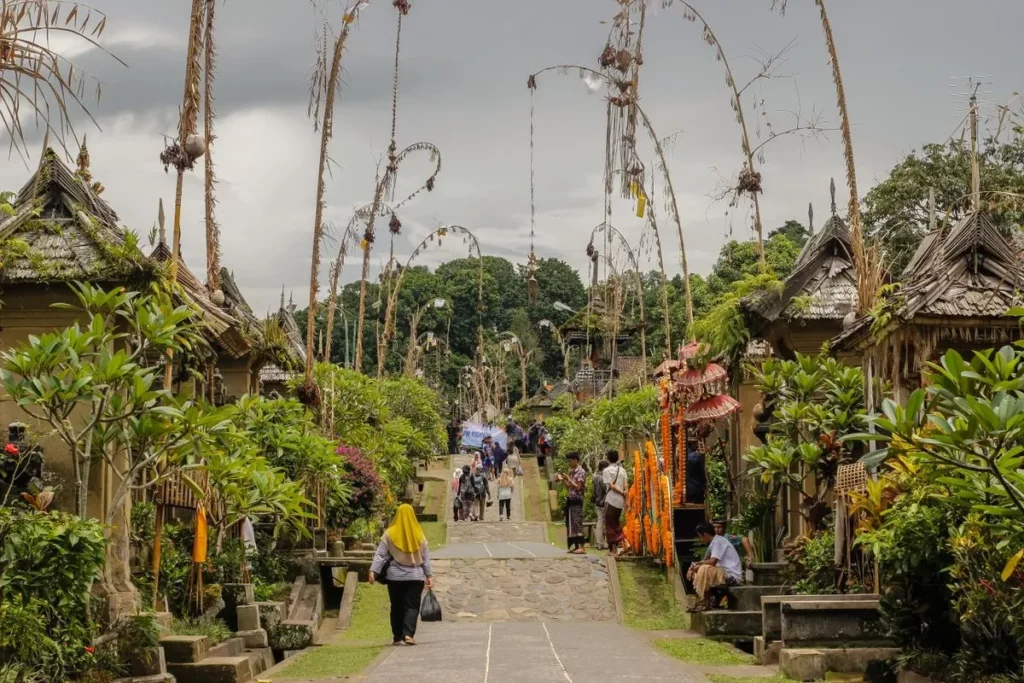
Nestled in the highlands of Bangli regency, Penglipuran has long been a favorite among expatriates and international travelers seeking an antidote to the chaos of Kuta and Seminyak. Its meticulously maintained bamboo forests, traditional Balinese architecture, and community-led governance have earned it numerous accolades—including the prestigious UNWTO Best Tourism Villages designation.
But the village’s leadership is determined not to rest on its laurels. This year’s festival, now in its 13th iteration, has been designed to showcase not just the village’s aesthetic charm, but its philosophical underpinnings.
“Penglipuran does not want to be known only as a beautiful, clean, and orderly tourist destination,” Sumiarsa emphasized. “We want to be an example of a living village—one that preserves its culture, embraces diversity, and gives back to the environment.”
Three Days of Culture, Craft, and Connection
The festival program, which runs from Thursday through Saturday, offers a carefully curated blend of tradition and contemporary engagement.
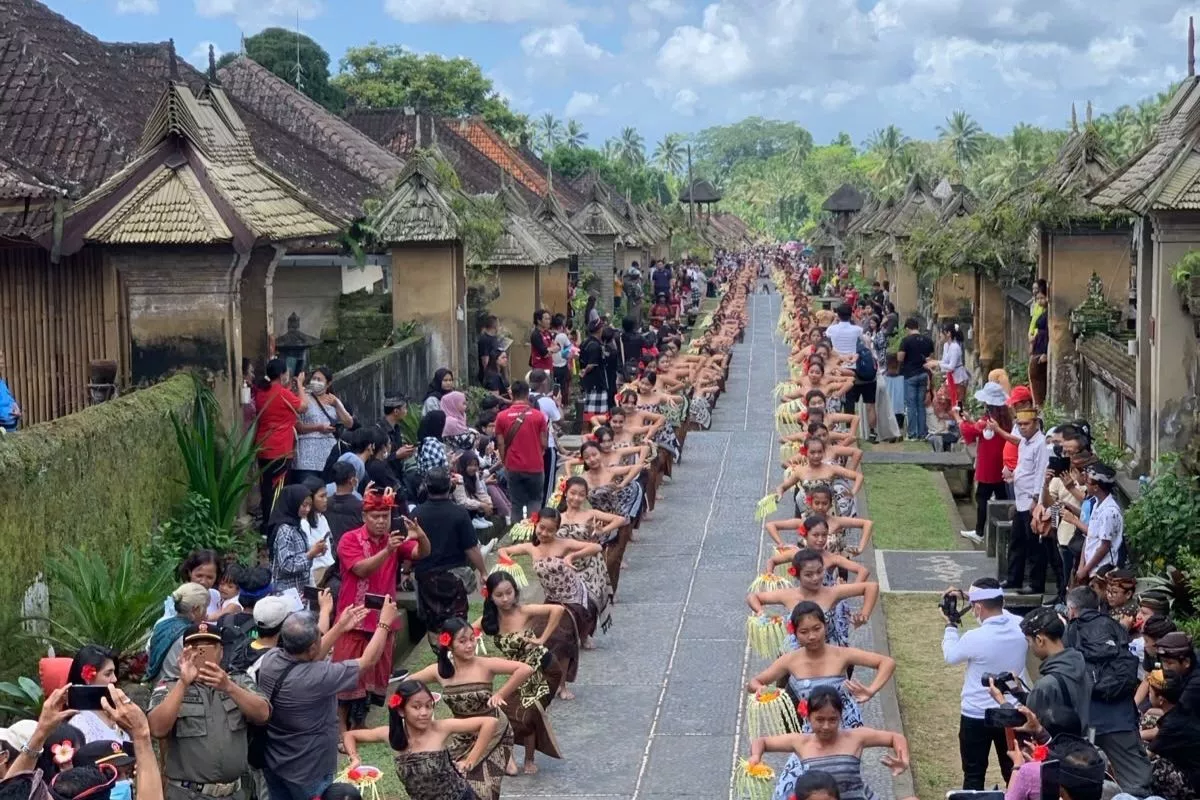
Thursday, July 9 opens with a grand welcome ceremony, featuring a colossal traditional dance performance, a gebogan parade—a procession of towering offerings—and the official festival inauguration. The evening will showcase the Palegongan dance, a classical Balinese performance telling the story of “Raksan Gumi” (Guardians of the Earth), alongside an exhibition of local micro, small, and medium enterprises (MSMEs).
Friday, July 10 shifts focus to education and nostalgia, with environmental workshops, a tempoe doloe (olden days) costume competition, and performances by local musicians—a nod to the village’s commitment to preserving traditional arts while engaging younger generations.
Saturday, July 11 offers a lighter, wellness-oriented closing day, featuring laughter yoga sessions and more local music performances—a reminder that Balinese culture is as much about joy and healing as it is about ritual and reverence.
Inclusion at the Heart
Notably, the festival has made deliberate efforts to include not only local artisans, artists, and youth, but also community members with disabilities—a rare and commendable commitment to accessibility in a region where such considerations are often overlooked.
“The festival is a platform for everyone,” Sumiarsa said. “When you come to Penglipuran Festival, you are not just a spectator. You are enjoying culture, learning from a village, supporting local products, respecting diversity, and helping to shape the future of Balinese tourism.”
A Model for the Future
For expatriates and long-term visitors who have watched Bali’s tourism landscape transform—sometimes for better, often for worse—Penglipuran offers a compelling alternative. It is a place where tourism revenue is channeled back into the community, where environmental sustainability is non-negotiable, and where tradition is not performative but lived.
As the island grapples with overtourism, waste management, and cultural commodification, villages like Penglipuran are proving that another way is possible. The festival, now in its 13th year, is not just a celebration—it is a statement.
For expats and visitors: Penglipuran is located approximately 45 kilometers northeast of Denpasar, about a 90-minute drive from the main tourist hubs. The festival is open to all, with no entry fee announced as of press time. Visitors are encouraged to dress modestly, respect local customs, and support the village’s MSMEs by purchasing directly from artisans. For those seeking an authentic Balinese experience that goes beyond the beach, this is not to be missed.